
Every year, more than one million newborns are affected by infections their mothers could not have known they carried. A new initiative is placing the fight against vertical transmission at the heart of global maternal and newborn health.
The ward at Clinique Kinoise in Kinshasa, Democratic Republic of the Congo (DRC) buzzes quietly with activity. As one of the few specialised centres in the capital that admits and manages mpox cases alongside maternity services, it is also a vivid illustration of the overlapping health challenges that women in low- and middle-income countries face every day.
A young mother sits on the edge of a bed, gently rocking her newborn. She has been admitted with a presumptive mpox diagnosis – and she does not yet know her HIV status. A few beds away, another woman is recovering from mpox treatment. Down the hall, a nurse checks on a mother referred from a rural clinic far outside the city.
“You see the weight women carry,” says Dr. Albert Komba, the director of the Unitaid-backed SAFEStart+ project, who visited the clinic shortly after joining PATH. “They do not come for one thing. They come with everything.”
They do not come for one thing. They come with everything.
Dr. Albert Komba
SAFEStart+ Project Director, PATH
This reality – one encounter, many diseases, one chance to act – is at the heart of what it means to eliminate vertical transmission. Vertical transmission, or mother-to-child transmission, occurs when infections such as HIV, syphilis, hepatitis B, Chagas disease and mpox pass from a mother to her baby during pregnancy, childbirth or breastfeeding. The consequences can be devastating: chronic illness, disability and death. Yet in most cases, they are entirely preventable.
Each year, millions of pregnant women worldwide carry one or more of these infections without knowing it. HIV, syphilis, hepatitis B and Chagas disease together cause more than one million cases of avoidable illness, disability or death among newborns annually – including stillbirths and children born into a lifetime of chronic disease.
The tools to prevent this exist. Simple, low-cost diagnostic tests can identify these infections at an antenatal care visit. Effective treatments are available. The hepatitis B birth dose vaccine, given within 24 hours of delivery, can prevent transmission in most cases. And yet, in many countries, access to these tools remains fragmented. Fewer than half of pregnant women in the DRC, for example, are screened for syphilis. In Latin America, Chagas disease – caused by a parasite spread by insects, infected food, blood and mother-to-child transmission at birth – affects over seven million people, yet fewer than 10% are ever diagnosed and only 1% receive treatment.
Hepatitis B, in particular, often goes undetected for years. “It is a silent disease,” says Janet Ginnard, Director of Strategy at Unitaid. “Women often do not know they are infected. By the time complications emerge, years may have passed.”
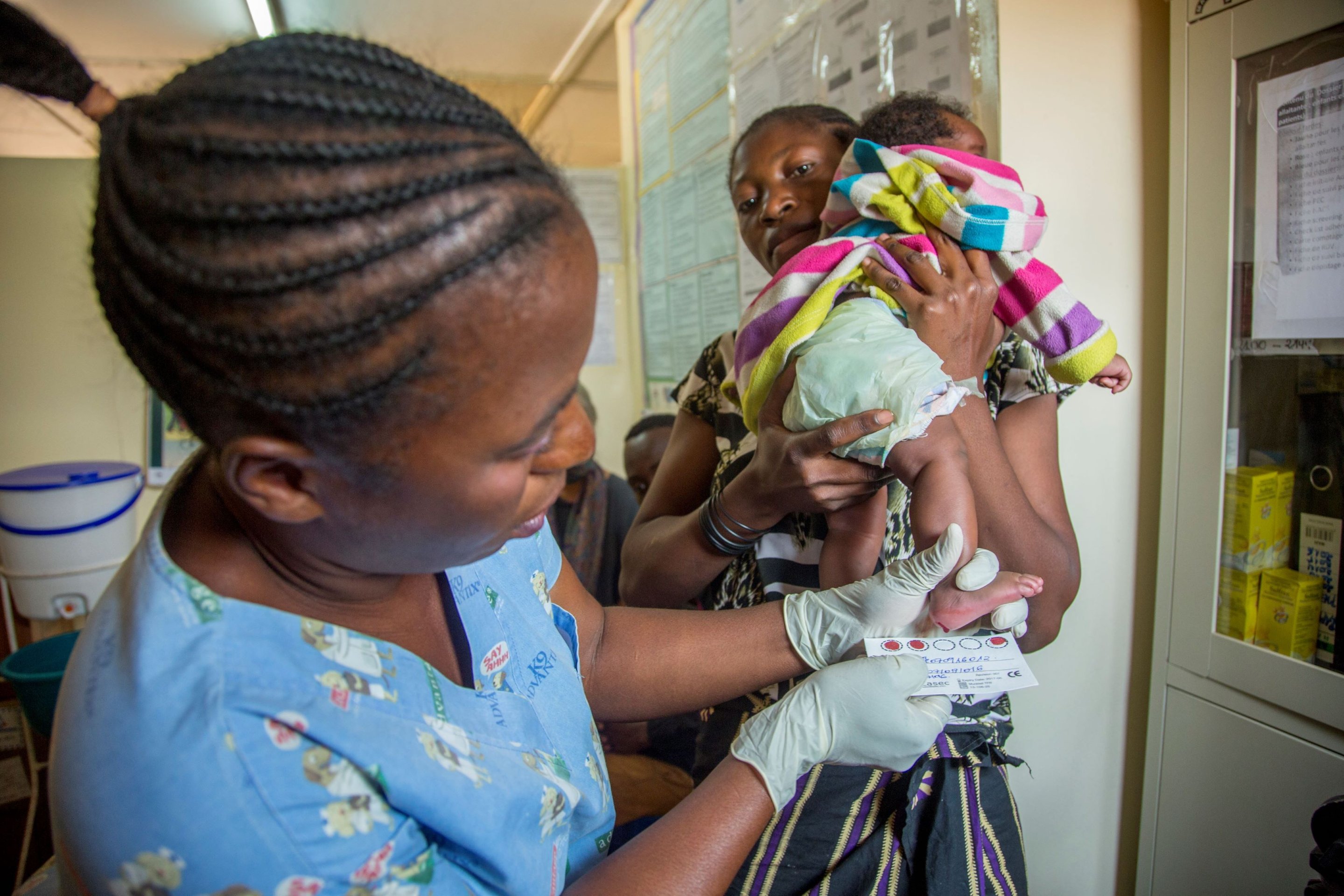
For many women, the first time they learn of their infection is at an antenatal care visit – a moment that carries both promise and profound shock.
Deborah, 27, found out she was living with HIV at a routine antenatal visit in December 2020. She was 22 and pregnant with her first child. “When they tested me, they said I was positive. But it wasn’t an easy thing to go through – I was still young. I was crying. I wasn’t feeling myself.”
She was taken immediately to a counsellor, started on treatment, and asked to bring her husband in the following day. He tested negative, but he stayed. “He didn’t leave me. He’s a supportive husband.”
The early weeks on medication were hard – nausea, sleepless nights, dreams of dying. But she persisted, kept her appointments, and her son was born HIV-negative. She is now pregnant again. “I’m pretty sure 100% my baby will be fine,” she says. “A positive mother can give birth to a negative baby – yes, that I know.”
Prossy has been living with HIV for five years. She first felt unwell and went to the health centre thinking it might be malaria – and came out with a diagnosis that changed her life. Too afraid to tell her boyfriend directly, she persuaded him to come with her for a test, pretending she hadn’t already been tested. When the results came back – he negative, she positive – a counsellor sat with them both. He stayed. They are now married, with three children, all HIV-negative. She has been on antiretroviral treatment for five years. A CD4 test, which measures the immune cells HIV attacks and gives doctors a picture of how well treatment is working, now comes back clear every time. “I’m always suppressing,” she says.
Beatrice, 19, was in the first trimester of her first pregnancy when she was screened for hepatitis B at Entebbe Regional Referral Hospital and learned she was positive. She had no prior knowledge of the virus. She told the family she works for as a domestic worker, and they were supportive. Her baby will need the hepatitis B vaccine within 24 hours of birth.
Hildah is seven months pregnant with her second child. At her first antenatal visit, she was tested for HIV, syphilis, hepatitis B, and malaria – and diagnosed with syphilis. She received treatment the same day. Her most recent scan showed the baby appears healthy, and at around 32 weeks, she will receive a second preventive dose to further protect the baby at birth.
These stories share a common thread: the antenatal care visit as a critical, often singular moment of opportunity. When health systems are designed to make the most of it – offering integrated testing for multiple diseases in a single visit, prompt results, and immediate linkage to care – lives change.
When they tested me, they said I was [HIV] positive. I was crying. I wasn’t feeling myself. I thought my baby is also going to be positive – but he was discharged negative.
Deborah
27, living with HIV, Ndejje Health Centre IV, Uganda
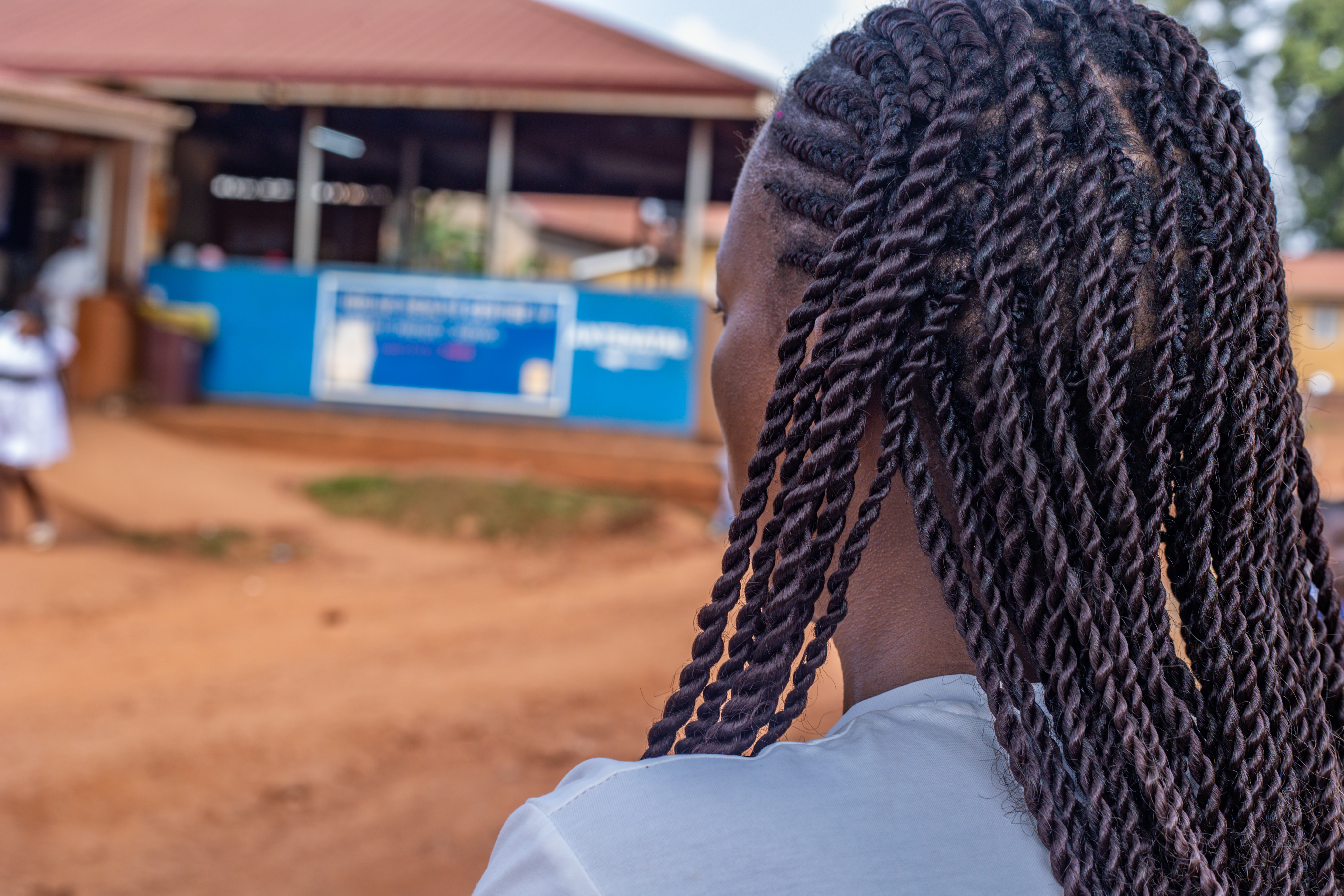
Unitaid is working with PATH, the World Hepatitis Alliance, and the International Community of Women Living with HIV Eastern Africa to make integrated, people-centred care the norm across nine countries in Africa, Asia, and Latin America.
Eliminating vertical transmission is not only a matter of reaching women, it means reaching entire families.
At Entebbe Regional Referral Hospital in Uganda, the health system actively encourages women to bring their partners to antenatal appointments, prioritising couples so they are seen first and lose less time from work. The approach is working.
Moses, 45, came with his wife when she was five months pregnant. She tested positive for HIV; he tested negative. His first instinct was fear, and he considered leaving. But he was counselled by the medical team and stayed. His wife has since had two children, both HIV-negative, and Moses takes HIV pre-exposure prophylaxis (PrEP) to protect himself. He has watched attitudes in his community shift over the years, partly through information campaigns in churches and on the radio. “They now see people with HIV as human beings,” he says.
Justine and Mugisha tell a similar story: when Justine became pregnant, they attended their antenatal visit together and were both tested for hepatitis B. Mugisha was positive; Justine, who had received two of three vaccine doses in 2022, was negative. They left with a clear plan – condoms for the remainder of the pregnancy, a booster vaccine for Justine after delivery, and the birth dose vaccine for their baby within 24 hours. The couple said they were not worried, and felt confident in the care they were receiving.
The SAFEStart+ project does not seek to build new systems from scratch. Rather, it strengthens what already exists: working with governments, communities and health workers to expand proven approaches, introduce innovative diagnostics and treatments, and generate the evidence that persuades countries to invest in sustainable change.
At its core, this partnership aims for a future in which a woman walks into a clinic for antenatal care and, in a single visit, learns her status for HIV, hepatitis B, syphilis and Chagas disease. If any test is positive, she is linked to treatment immediately. Her newborn is tested at birth and given a hepatitis B vaccine within 24 hours. Her records follow her wherever she goes. In the DRC, mpox screening is integrated into this same visit.
By 2030, SAFEStart+ aims to prevent 47,000 infections across its nine focus countries and save 179,000 years of healthy life.
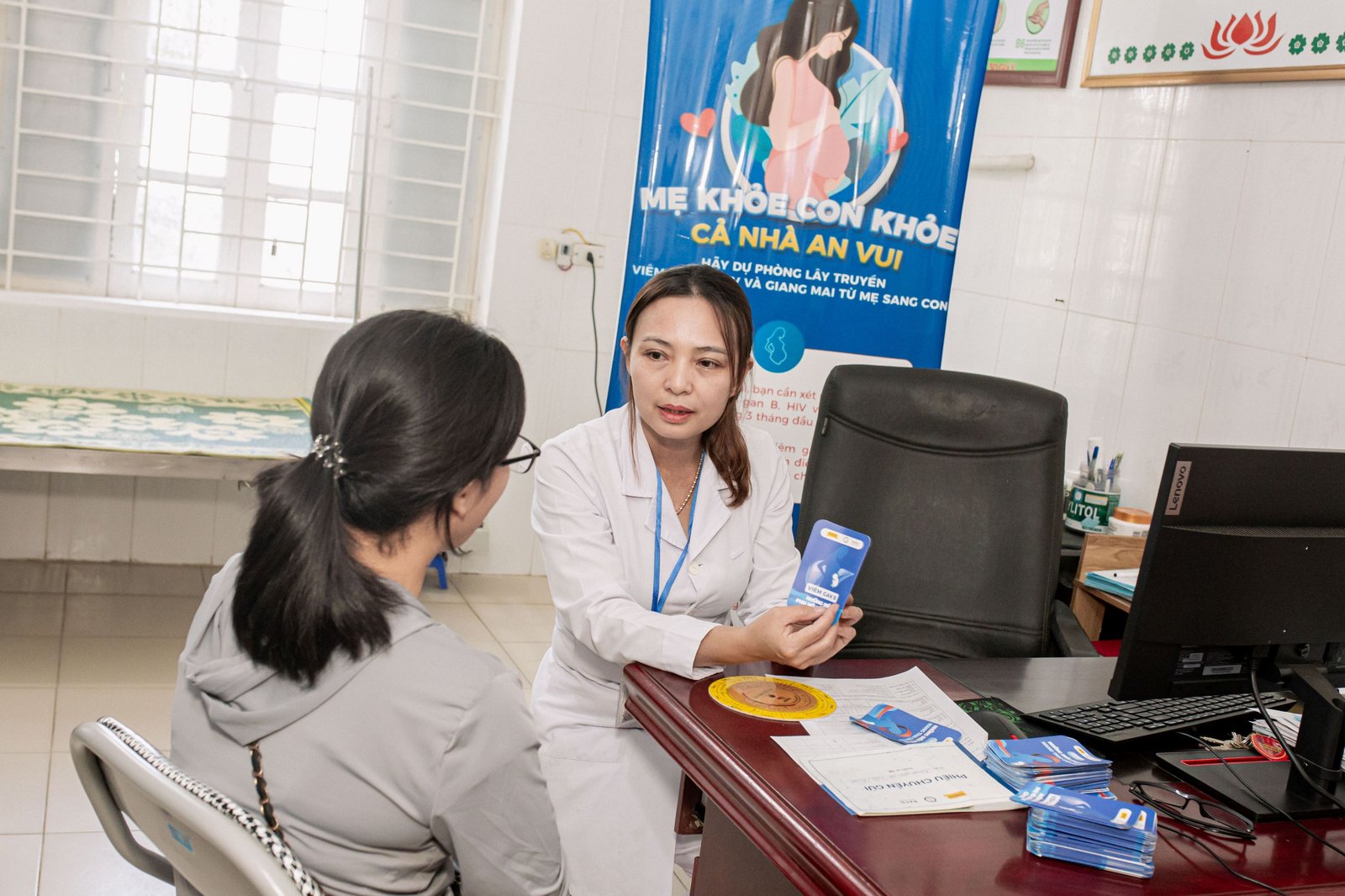
One disease that has often sat at the margins of elimination efforts – despite its scale – is Chagas. Endemic across Latin America, it is now present in 44 countries globally. It is spread primarily by triatomine insects, known as “kissing bugs,” but also through mother-to-child transmission at birth, infected food and blood transfusions.
The consequences of untreated Chagas are severe: chronic heart disease, digestive complications, and premature death. But because symptoms may not appear for decades, the disease is easily overlooked – and the gap between those infected and those diagnosed or treated remains extraordinary.
Unitaid has been working to close this gap. The CUIDA Chagas project, led by Fiocruz in Brazil with partners in Bolivia, Colombia, and Paraguay, is generating vital evidence on simplified testing and treatment strategies for women and newborns. Alongside this, Unitaid’s collaboration with the Pan American Health Organization (PAHO) is helping to scale up regional efforts – informing policy, speeding up access to better tools, and integrating Chagas services into the primary health care and maternal care pathways that reach the most vulnerable women.
SAFEStart+ builds directly on this foundation. In its Latin American project countries, the project is incorporating Chagas screening into the same integrated antenatal care platforms used for HIV, hepatitis B and syphilis – reaching women in communities where access to care has historically been limited, and where kissing bug exposure is a lived reality.
“Chagas is not a disease from another era,” says Janet Ginnard. “It is here, now, in the communities where we work. And it can be stopped – if we reach women at the right moment.”
On 14 April, World Chagas Disease Day, Unitaid joins health advocates, researchers, and communities across the Americas in calling for sustained action: greater political commitment, increased funding, and an end to the diagnostic and treatment gap that has left millions without care for too long.
Chagas is not a disease from another era. It is here, now, in the communities where we work. And it can be stopped – if we reach women at the right moment.
Janet Ginnard
Director of Strategy, Unitaid
In the DRC, Unitaid, PATH and partners are building on the national triple elimination plan for HIV, syphilis, and hepatitis B – adding mpox screening and care for pregnant women during antenatal and postnatal visits. Small grants support local community networks to reach families, encourage male partners to get involved, and build the trust that brings women to care.
Across all nine countries, health workers are being trained; clinics are being stocked with diagnostics and essential medicines and supplies; and multi-disease testing is becoming part of standard care. The lessons learned – what works, what doesn’t, and why – will be shared with a further ten peer-learning countries.
The goal is simple and profound: diseases that pass from mother to child should end with one generation.
Tigalana Fida, the senior nursing officer at Ndejje Health Centre IV in Uganda, has worked in health care for 25 years. She has seen mothers deliver two, three babies while managing an HIV diagnosis largely alone – too afraid of their partner’s reaction to disclose. She has sat with women in the moments after a positive result, when “that mother is not okay upstairs,” and helped them find a way through. It is that moment, she says, that defines whether a woman stays in care or disappears from the system entirely. “I feel so great at the end of the 18 months when we have a negative baby,” she says. “I celebrate.” Her hope for the future is simple: “I’m hoping to see an HIV-free generation.”
“SAFEStart+ is a catalytic investment,” says Dr. Komba. “We are not creating new systems. We are working with communities and supporting countries to improve the existing ones. That way, every woman knows her status, and every child can be born free of these diseases.”
About SAFEStart+
SAFEStart+ is a four-year, $22 million Unitaid-funded initiative led by PATH, the International Community of Women Living with HIV Eastern Africa (ICWEA), and the World Hepatitis Alliance (WHA). The project works across nine countries to accelerate the elimination of vertical transmission of HIV, syphilis, hepatitis B and Chagas disease, with mpox integrated into the programme in the DRC.
World Chagas Disease Day is observed annually on 14 April.