

In Portugal, the virus tore through my family. One by one, it took hold – my mother, my wife, my daughters, my son-in-law, my grandchildren. Even my newborn granddaughter entered the world in the shadow of COVID.
When my own condition deteriorated, it did so quickly. My lungs, already weakened by years of asthma and repeated infections, could not keep up. Each breath became a struggle.
Hospitals were overwhelmed. There were no beds nearby. The closest one was four hours away.
But I had private insurance. That single fact changed everything.
I was admitted to a private clinic without delay. Oxygen was started immediately. It continued – steadily, reliably – for two weeks. No interruptions. No conditions, just great care and support.
When I returned home, care did not stop. Our doctor called every day for six weeks, checking on every member of my family. Even in the chaos of a global pandemic, there was structure. There was reassurance. There was a system that held us.
At no point did I wonder if oxygen would run out or be taken away.
Breathing was treated as a given.
In Kisumu County, Kenya, I hesitated before going to the hospital at all. Consulting a doctor costs money, and like many, I waited until my breathing became too difficult to ignore.
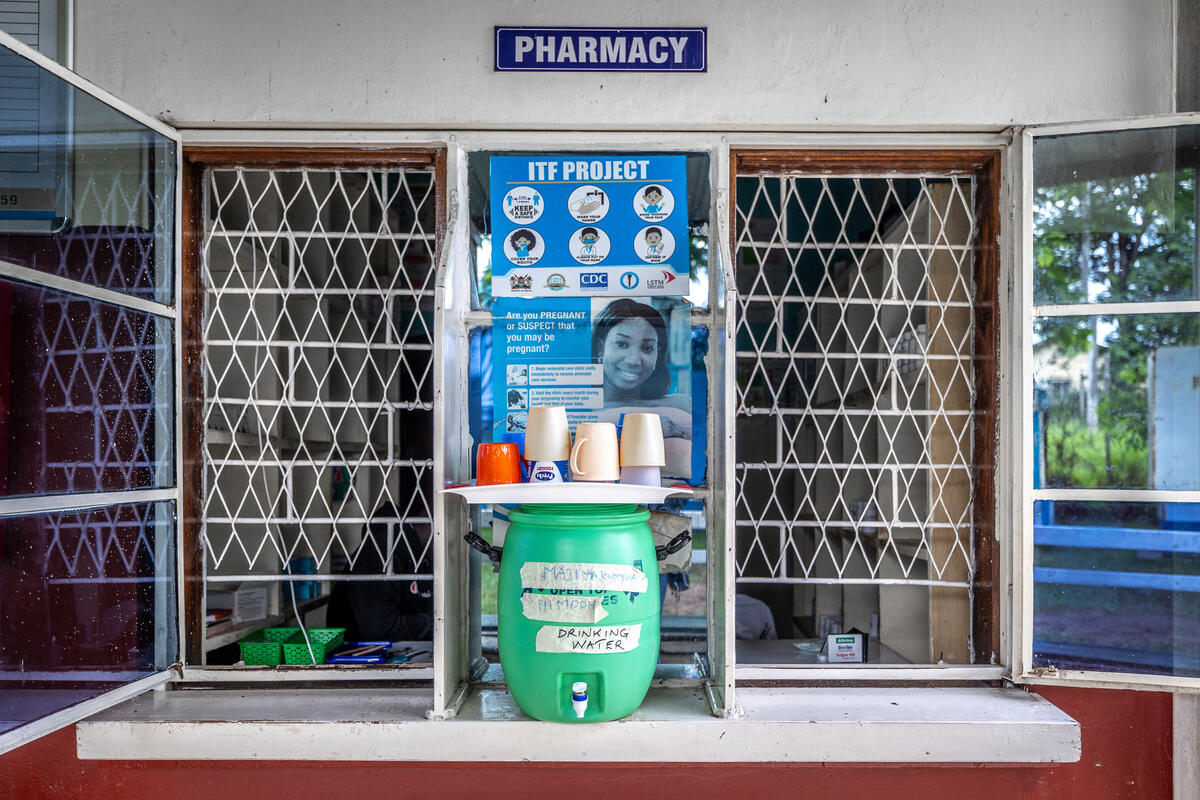
When I finally sought care, I was misdiagnosed. That mistake bought the virus time and my condition worsened before anyone treated what I actually had. By the time I reached the hospital, there were no beds. When one finally opened, I had to raise a set amount of money before I could be admitted. Once in, oxygen treatment was started but I was told it would be switched off the next day unless payments were made.
There is nothing abstract about this. Lying in a hospital bed, fighting for breath, knowing the treatment keeping you alive depends on whether a payment clears, that is a particular kind of fear. Friends and colleagues mobilised to raise money for me. Many patients around me had no one to call. The misdiagnosis, the delayed admission, the financial uncertainty: together pushed my body past a threshold it could not recover from quickly. I developed long COVID. I believe earlier, uninterrupted care would have changed that.
Our experiences reveal a divide that predates COVID-19 and extends far beyond it. Oxygen is fundamental in treating a wide range of conditions, pneumonia, sepsis, complications of childbirth, premature birth, trauma – yet access varies dramatically by geography and income level.
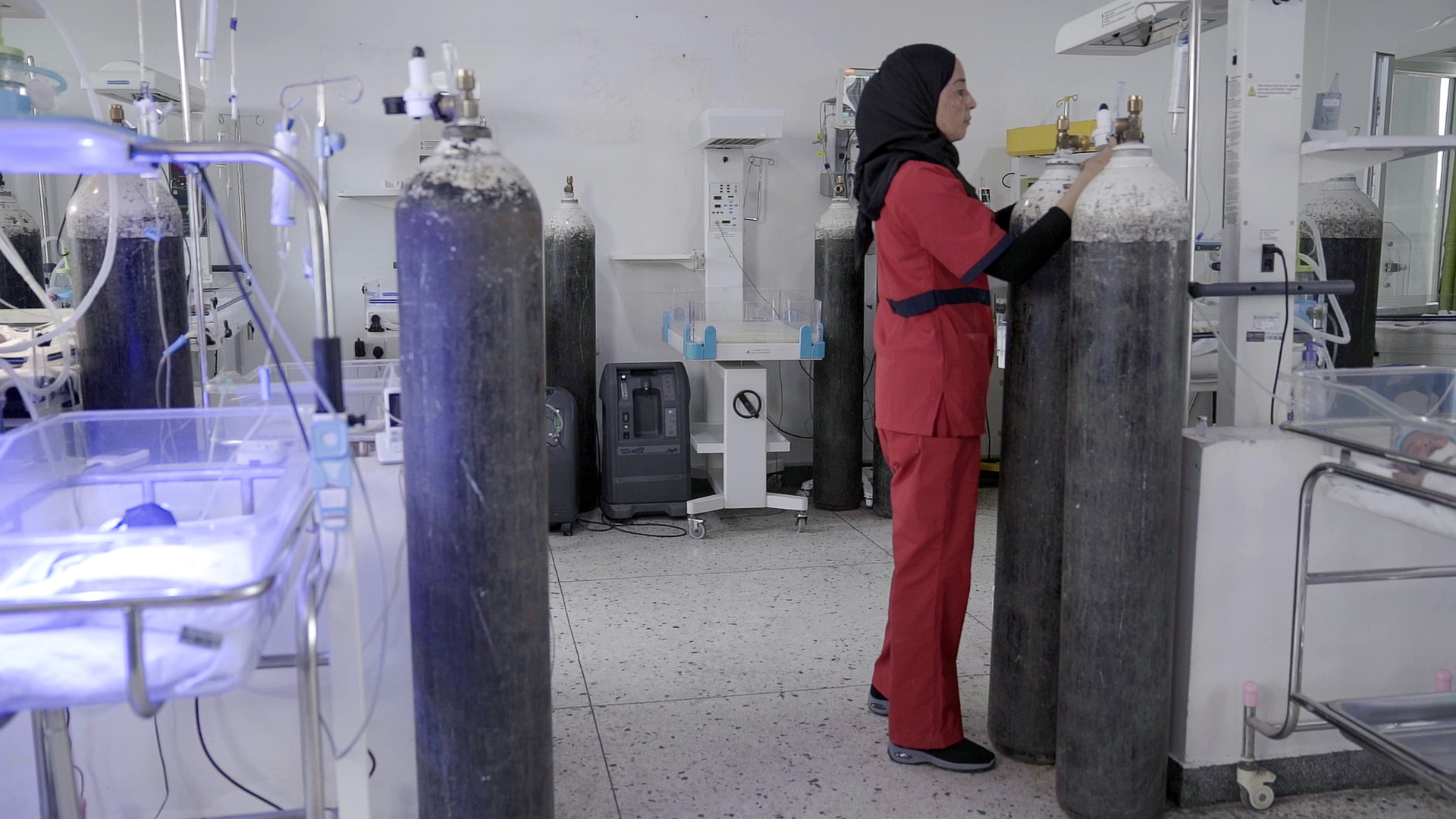
In many low- and middle-income countries (LMICs), hospitals face structural barriers: unreliable electricity, shortages of cylinders and concentrators, supply chains that break under pressure, and costs that fall directly on patients. In others, oxygen is part of the health system’s basic infrastructure, protected from market fluctuations and personal finances. These are not small gaps. They determine who receives standard care and who must gamble on it.
Oxygen is not a breakthrough innovation. It is a century-old therapy. Its scarcity in many hospitals is not due to technology but to underinvestment, fragmented supply chains, and the assumption that oxygen is a commodity rather than a public good.
Improving access is possible. Programs supported by partners like Unitaid have shown the impact of coordinated procurement, local production, technician training, and integrating oxygen into national health strategies. What’s missing is not solutions but scale.
We survived for different reasons. One of us because oxygen was guaranteed, the other because crowdfunding intervened. The contrast demonstrates a fundamental inequity that continues to determine health outcomes for millions.
Oxygen should not be contingent on where a person lives, how much money they can raise, or whether someone abroad can help. It is a core component of modern medicine. Treating it as infrastructure, not an optional commodity, is the only sustainable path toward equitable care. The contrast between our experiences shows what is at stake and what could be changed.
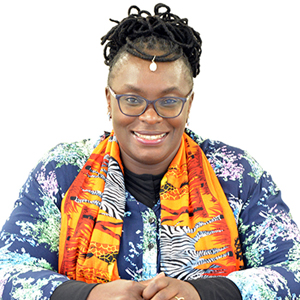
Maurine Murenga is a passionate advocate for the health, development and human rights of women and children. With a background in Programme Management and Community Development, she is a two-time award winner, recipient of the Unsung Hero Award from the US Embassy and the East Africa Community Service Award for her work with women and children.
Maurine’s advocacy is driven by her lived experience and the inequality and vulnerability that young women and adolescent girls face in her community. In response to these challenges, she founded the Lean on Me Foundation, an organisation that supports access to health services for young women and children. Maurine is currently the Focal Point of the Communities Delegation to the Board of the Global Fund, a member of the Communities Delegation to the Unitaid Board, Coordinator of TB Women Global, and Board Member of Friends of the Global Fight US.
Louis Da Gama is a global health advocate based in Portugal with more than 25 years of experience in malaria and community-led health responses. He is part of Unitaid’s community delegation and was involved in the creation of Unitaid and the Roll Back Malaria Partnership.
Louis currently serves as President of the Global health Advocates France board. He is Humanitarian Adviser to Yvonne Chaka Chaka, UNICEF and RBM Goodwill Ambassador and serves on the board of the Princess of Africa Foundation.