
On a hot day in Kenya, a pregnant woman may face a deceptively simple choice: travel to a health facility in the heat or wait until temperatures fall.
For a woman at risk of preeclampsia, that decision can be critical.
Women will delay coming in, especially when there is extreme heat. Some women, she says, will travel very early in the morning; others may not come at all, preferring to stay somewhere cooler.
Eunice Atsali
Kenyan midwife and Vice President of the Midwives Association of Kenya
When they eventually arrive, they may no longer be seeking routine antenatal care. They may have swelling, severe headaches or other signs of complications. By then, their placenta may already be impaired, and the baby may need to be delivered urgently.
This is not simply a question of discomfort. A 2026 systematic review and meta-analysis covering 28 studies and more than 23 million pregnancies found that heat exposure was associated with a 58% higher risk of hypertensive disorders of pregnancy. The odds of pre-eclampsia were approximately doubled, while each 1°C increase in temperature was associated with a 3% increase in the odds of hypertensive disorders.
The findings do not mean heat directly causes every case of pre-eclampsia. But they add to growing evidence that rising temperatures pose a serious threat to maternal health. Extreme heat during pregnancy has also been associated with higher risks of stillbirth and neonatal death. Behind every pregnant woman exposed to extreme heat is a developing fetus, potentially vulnerable to the same changing conditions.
The findings overall strengthen the case for making maternal health systems more resilient to heat – particularly as extreme temperatures become more common.
Romane Theoleyre, Programme Manager at Unitaid, puts it succinctly: “Because the biggest risk is not only more cases. It’s delayed and missed care.”
Preeclampsia can be life-threatening, but early detection and appropriate management can reduce the risks to mother and baby. The problem is that climate change can undermine the entire pathway from prevention and antenatal screening to diagnosis, treatment and emergency referral.
Pregnancy already places additional demands on the body. Extreme heat adds physiological stress, while climate-related pressures such as food insecurity, water scarcity and infectious disease can compound existing vulnerabilities.
For women, getting to care may become harder just when they need it most. Flooding can cut off roads and delay emergency referrals. Drought can worsen nutrition and maternal anemia. Extreme heat can make long journeys and waits at exposed clinics physically demanding.
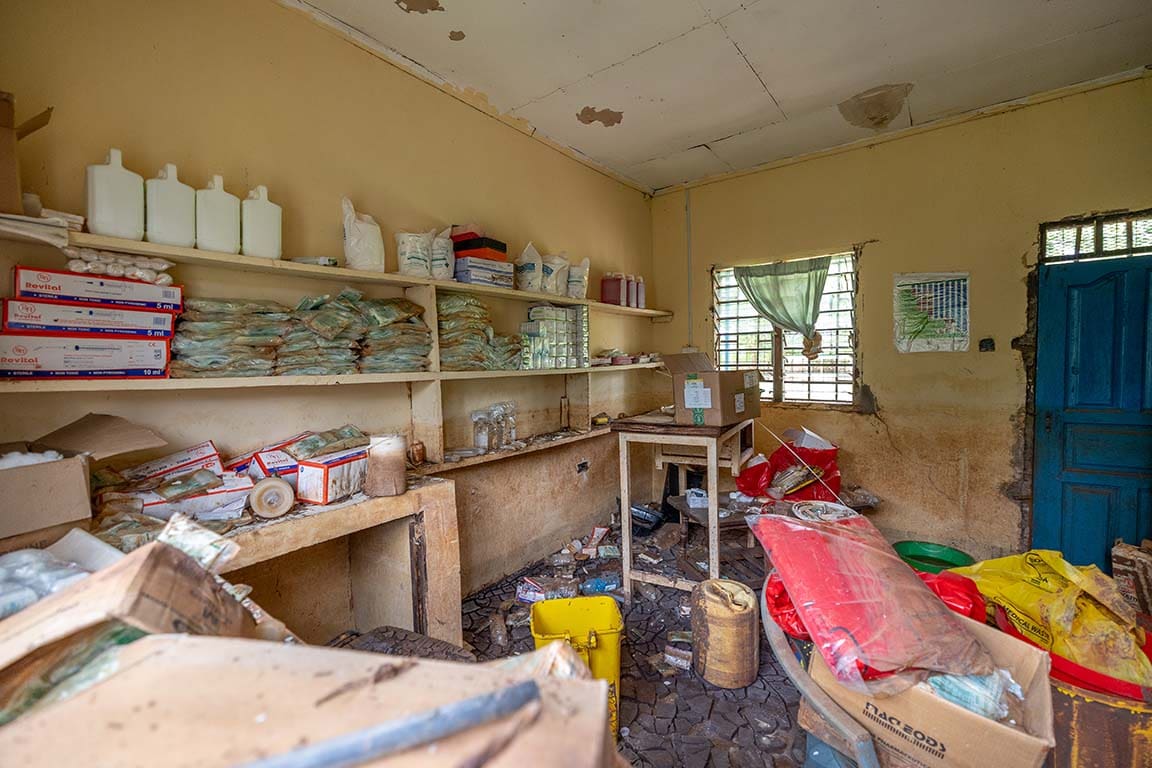
And the facilities they are trying to reach may be struggling too.
Eunice describes maternity wards where midwives work 12-hour shifts caring for large numbers of women without reliable access to drinking water. Dehydration and exhaustion can undermine their ability to provide safe, attentive care.
“There’s a high likelihood you’re actually going to forget even giving basic care management to the women,” she says.
In maternal healthcare, the women facing these risks are often caring for other women. Climate pressures can therefore affect both sides of the care equation: pregnant women trying to access services and the health workers responsible for delivering them.
Climate change is making an already demanding job harder for health workers and an already vulnerable period more dangerous for women. And the challenge will intensify as temperatures rise. Climate projections for Kenya point to a future of greater heat exposure, making it increasingly important for health services to prepare for conditions that existing infrastructure and systems may not have been designed to withstand.
Stéphanie Mariat, Climate & Health Officer at Unitaid, describes climate change as a “structural” issue for maternal health. She says, “It affects the risks women face, their ability to seek care and the capacity of health services to respond.”
For Unitaid, addressing these challenges also means ensuring that climate resilience is considered in the health products people depend on so that medicines, diagnostics and devices remain accessible and effective as climate conditions change.
That is particularly important in low- and middle-income countries, where communities may face greater exposure to climate hazards while having fewer resources to protect themselves.
The response does not necessarily begin with expensive new technology. It starts with ensuring that health workers have the basic tools they need to prevent, identify and manage pre-eclampsia – and that those tools remain available and reliable in increasingly challenging conditions.
Stéphanie explains: “For preeclampsia, adaptation may start with making sure that proven tools – from blood pressure monitoring devices to diagnostics and treatment commodities – remain available and functional, even in challenging climatic conditions.”
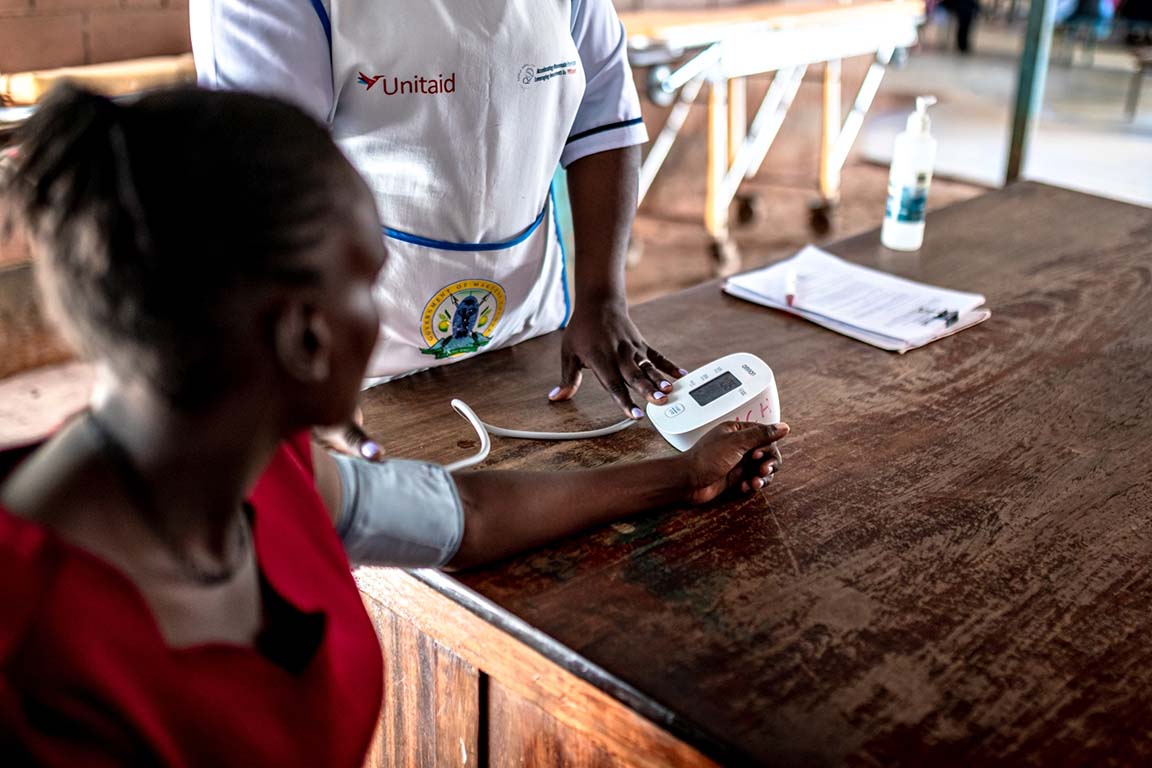
Take low-dose aspirin, one of the most affordable, effective and available interventions for lowering the risk of preeclampsia. Aspirin can degrade over time, especially when exposed to high heat and humidity. Similarly, magnesium sulfate, used to prevent and treat the life-threatening seizures that can occur in women with severe preeclampsia, has specific storage recommendations to avoid high temperatures and humidity.
In places where temperatures regularly exceed recommended storage conditions, it becomes harder to store temperature-sensitive medicines and other health commodities safely. Power cuts can affect refrigeration and equipment, while floods and other extreme weather can delay deliveries of medicines, diagnostics and devices. Even products that are relatively tolerant of heat can still become unavailable if transport, storage or facility infrastructure fails.
These challenges raise an important question: What does access to effective health care mean if the products women need cannot be reliably stored, delivered or used in the conditions where they live?
For Unitaid, addressing that question is increasingly part of our work to expand access to health products. It means looking beyond the effectiveness and affordability of individual products to consider how they will perform throughout the journey from manufacturer to patient – and whether the health systems delivering them are equipped for a changing climate.
This is the approach behind SUPREME, our investment to improve the prevention, diagnosis and treatment of pre-eclampsia and maternal anemia across five African countries.
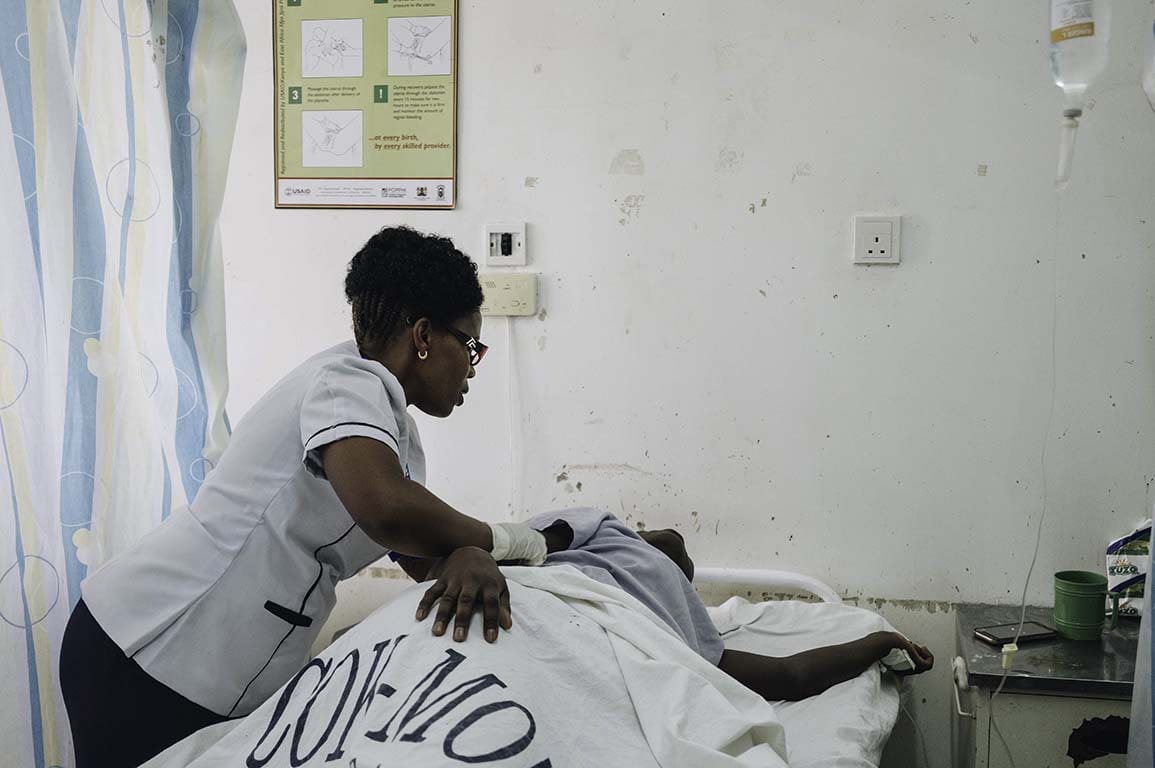
With an investment of more than US$50 million, we are working with our partners to introduce and scale up existing interventions and emerging innovations including preventive medicines, diagnostics and treatments. At the same time, we are examining how climate-related risks could affect the availability and delivery of these interventions – and what adaptations may be needed.
The program brings together complementary expertise. The Clinton Health Access Initiative (CHAI) works with manufacturers and other supply-side partners to improve access to the essential medicines and diagnostics women need. Amref Health Africa focuses on adapting models of care and working with governments and communities to understand the barriers women face in accessing care and how services might be adapted to local conditions.
The possibilities being explored range from relatively simple adjustments to the way care is delivered to broader changes in how health systems prepare for climate-related disruptions.
In areas with extreme heat, for example, Amref is exploring practical ways to make maternal healthcare more climate resilient. These include scheduling routine antenatal visits during cooler hours where feasible, improving shade in waiting areas and following up with women who miss appointments. Where flooding or extreme weather may cut off physical access to health centers, planning for transport and stronger referrals could help ensure women experiencing complications can still reach emergency services.
To help identify where action is most needed, Amref is also developing climate vulnerability scorecards with governments. These link with national health and climate change adaptation plans to help governments determine where climate risks threaten essential services and plan practical responses.
As Romane puts it: “The solution is not a single intervention. It’s really a system adaptation.”
The aim is to understand what is most likely to disrupt care in each setting and act before a crisis hits – whether that means ensuring essential products remain available, preparing an alternative referral route or finding a safer way for women to attend antenatal appointments during extreme heat.
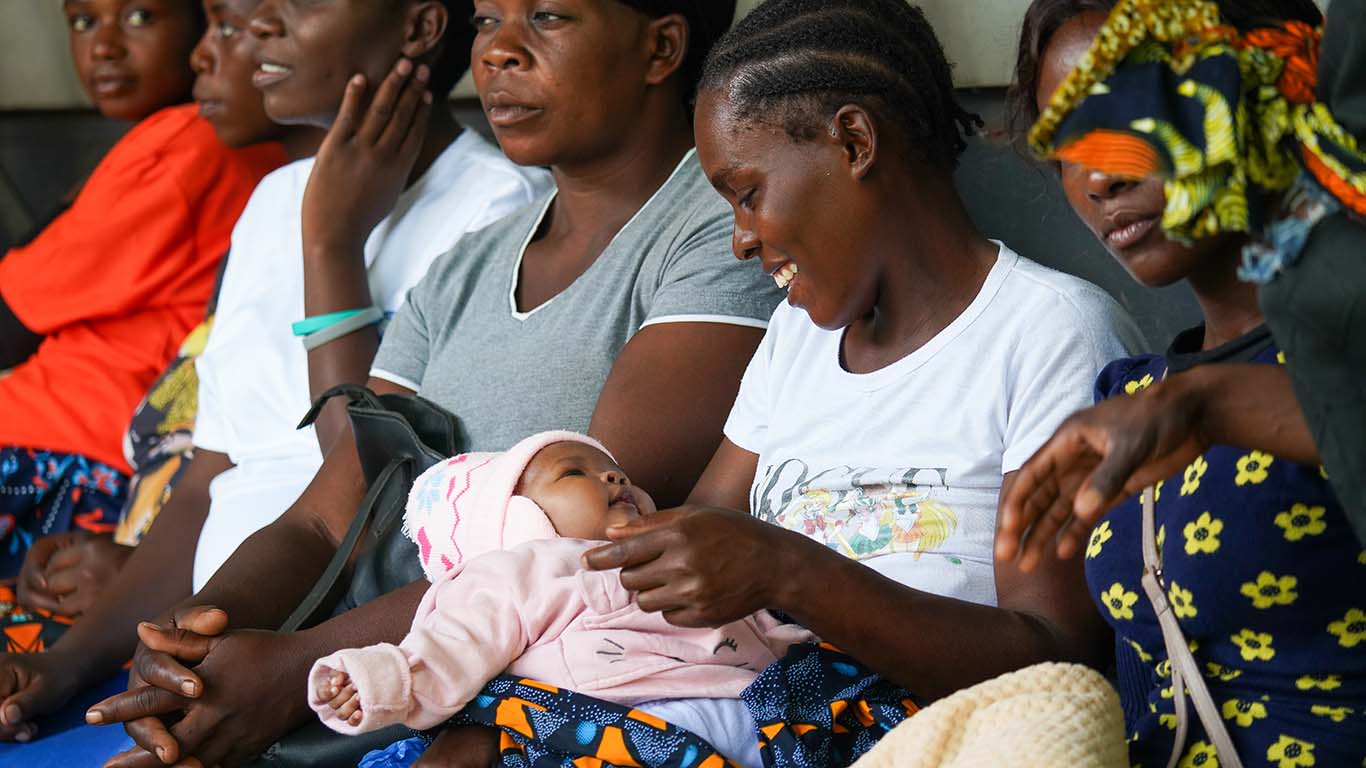
For Unitaid, the opportunity is to bring climate considerations into decisions about products, supply chains, facilities, referral systems and models of care – combining work on essential medicines and diagnostics with locally appropriate approaches to delivering care, so that effective interventions reach women when they need them.
Climate resilience cannot remain an aspiration for some future health system. It needs to be built into the products, supply chains and care models on which pregnant women depend now – before the next heatwave, flood or drought turns an existing vulnerability into an emergency.