
In rural Zimbabwe, an affordable, portable device is bringing molecular testing for tuberculosis (TB) to primary healthcare facilities, delivering results in under an hour. Its potential to test for other diseases, including the virus that causes cervical cancer, could help expand access to testing for communities far from major hospitals.
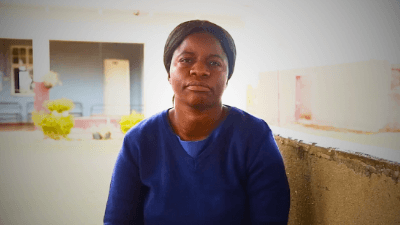
When Beatrice developed a persistent cough, a community health worker advised her to go to the nearest hospital. From her home in Mpofu River Farm in northern Zimbabwe, that meant an 8 km walk.
For people living in remote communities, the journey to the nearest health facility can often be long and costly. Getting a diagnosis can require several visits if samples need to be sent elsewhere for testing, and patients are asked to return days or weeks later for their results.
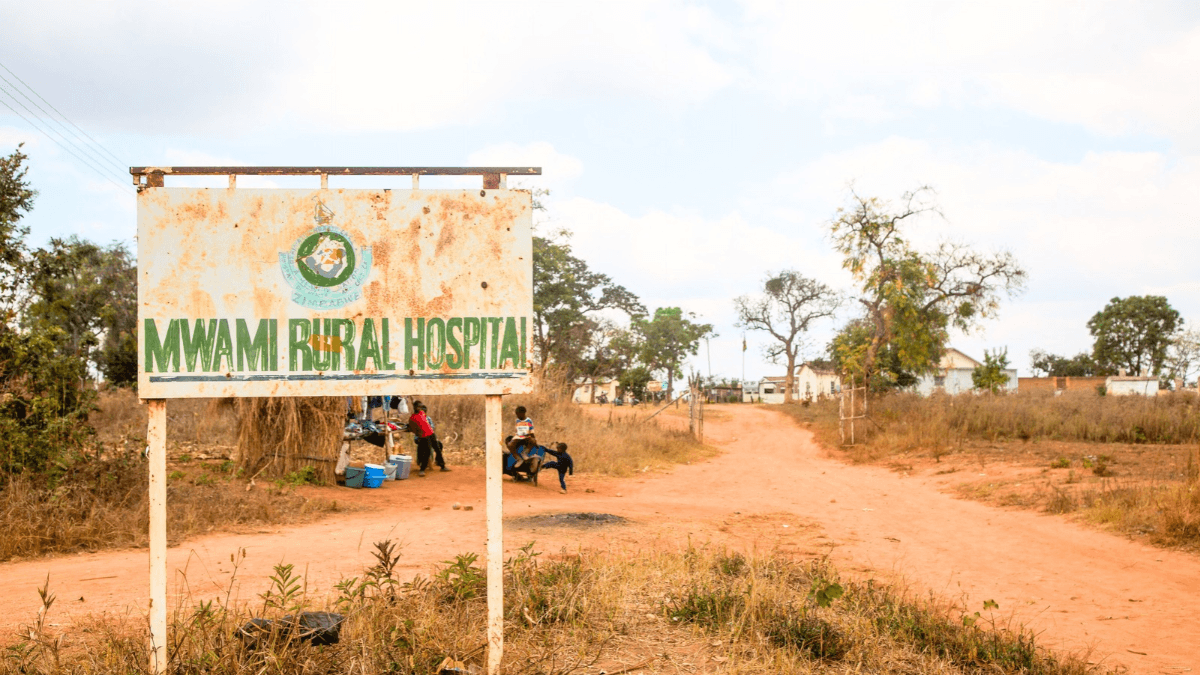
But when Beatrice arrived at , something was different. She was tested for TB and received her results during the same visit.
We used to tell the clients to wait for a period of two weeks. But some clients would come after the two weeks, only to find the results not there, so we were forced to keep telling them to come back. Sometimes you could miss the patient before the results were out. With this new molecular system, it only takes us 35 to 40 minutes to get the results out from the lab.
Izabel Munyaradzi
Primary care nurse at Mwami Rural Hospital
Beatrice was relieved to find out she didn’t have TB. But also relieved to have found out so quickly, without having to make another journey back to the hospital.
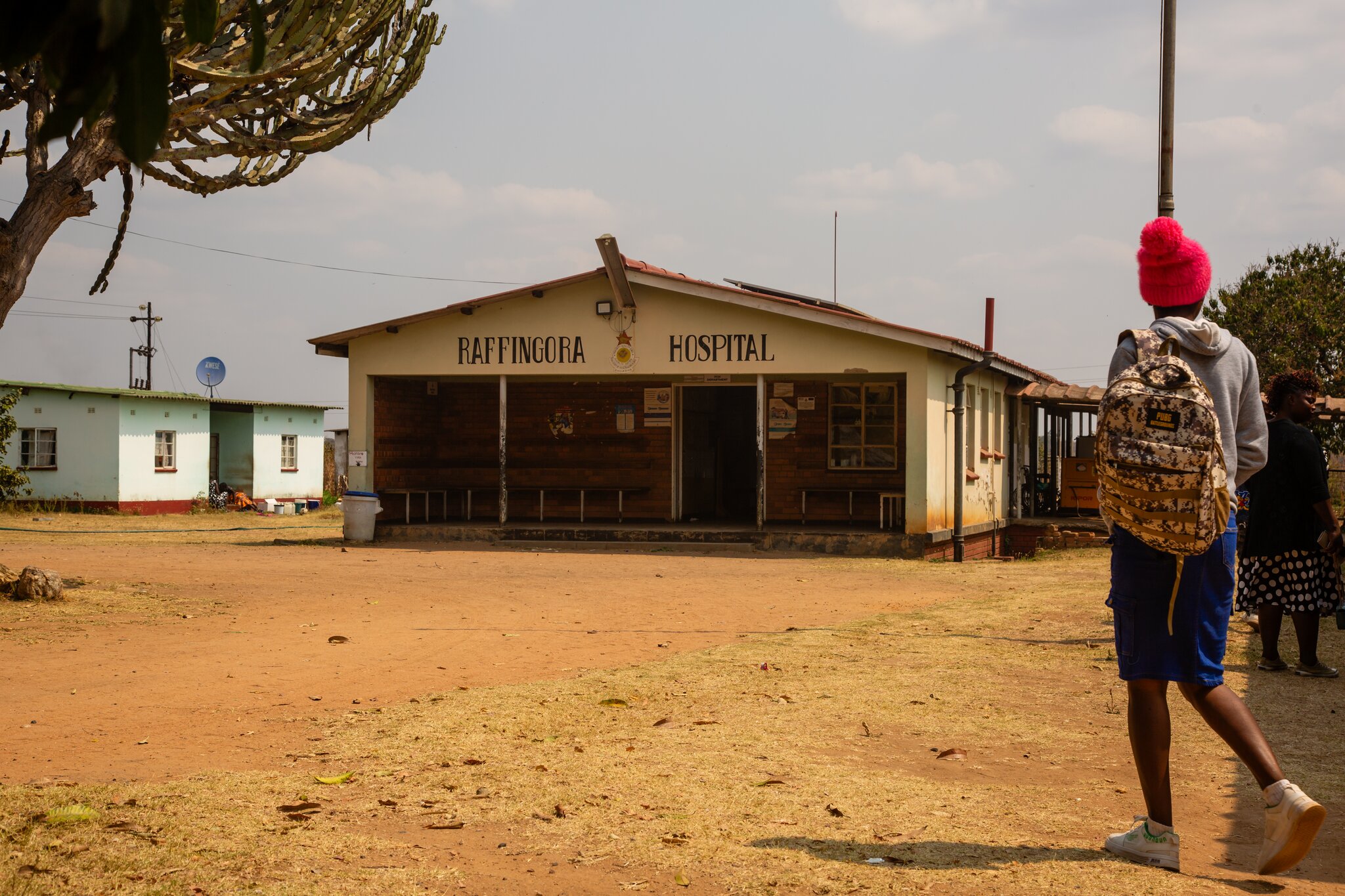
Emma had a similar experience. When she visited Raffingora Rural Hospital, a primary healthcare facility serving surrounding communities, for other tests, a nurse recommended that she undergo cervical cancer screening. But Emma, who had traveled 30 km to get to the hospital, could not afford another visit. When the nurse explained that screening was free, that she could collect the sample herself, and that she would receive her result during the same visit, she didn’t hesitate.
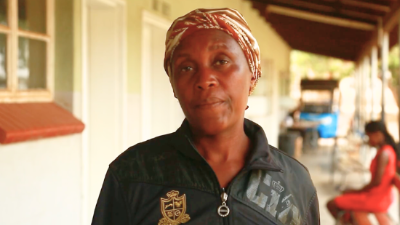
“If my screening could not be done today, I will have to wait for next year, after harvest, when we have sold crops – that is the only way we get money. I did not have any options,” says Emma.
Beatrice and Emma were able to get test results back so quickly because of a new testing technology that could transform how diseases are diagnosed, particularly in remote areas and smaller health facilities.
Near point-of-care (NPOC) technologies bring molecular testing into primary health facilities, closer to where people seek care. Molecular tests detect infections by identifying genetic material in a sample but have traditionally required costly laboratory equipment and complex infrastructure, meaning samples from primary health facilities often need to be referred to larger laboratories for testing. NPOC technologies make it possible to perform these tests on-site with simpler equipment and fewer infrastructure requirements. For many facilities that have relied on microscopy to detect TB infections, access to molecular testing could mean faster, more accurate results.
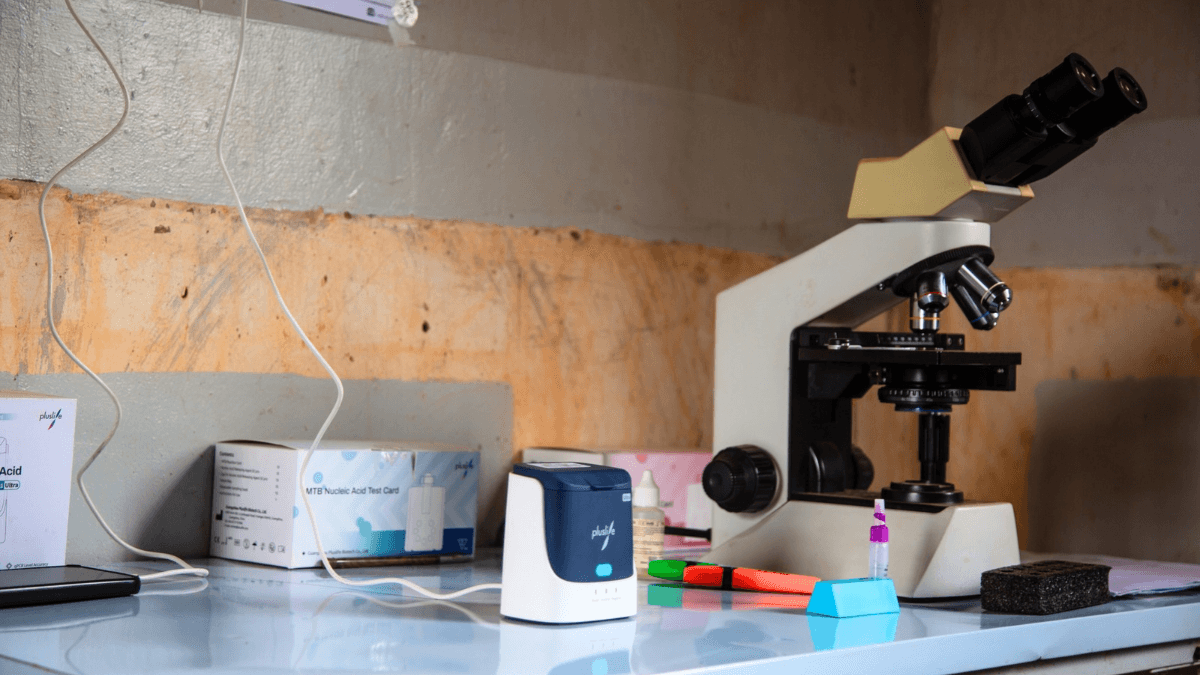
This newer class of portable, battery-powered devices, including the PlusLife MiniDock, is already something of a revolution in TB diagnostics. Traditional molecular testing platforms, such as GeneXpert, require stable electricity, air-conditioned rooms and computers, limiting their use to health facilities with the necessary infrastructure. Newer technologies are designed to overcome some of these barriers, making testing possible in primary care settings. However, existing near point-of-care tests have limitations. For example, they do not yet detect resistance to rifampicin, a key TB drug. People who test positive may still need further testing to check for drug resistance, so links to laboratories remain essential in those cases.
Zimbabwe is among the first countries to introduce this technology, starting with rural and primary health facilities that previously had no access to molecular testing.
The government’s investment in more than 200 MiniDock devices and tens of thousands of test cartridges, alongside support from Unitaid and the Clinton Health Access Initiative (CHAI), is helping bring this technology to facilities across the country. This includes training health workers and developing practical tools to integrate testing into more than 100 existing health outposts. For more than half of these facilities, including Mwami and Raffingora Rural Hospitals, it is the first time molecular testing has been available.
“At each of these sites, the government and partners have turned this breakthrough into a same-day result… instead of leaving a person waiting as they manage symptoms – risking loss to follow up,” says Tatenda Maparo, Senior Technical Advisor at CHAI Zimbabwe.
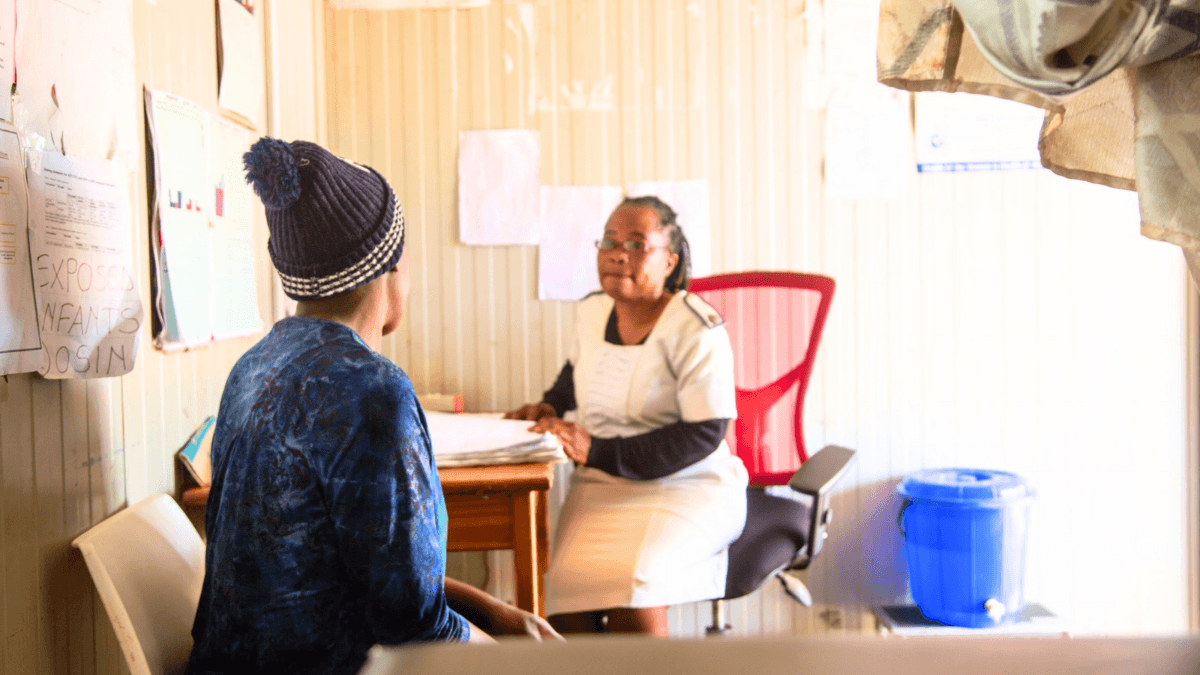
For decades, primary health facilities have largely relied on microscopes to diagnose TB – a method that takes days to return results and can miss infections – leaving people waiting and at risk of being lost to follow-up, while the disease to goes undiagnosed and untreated.
In Zimbabwe, around 34,000 people develop TB each year, but only around 60% are diagnosed and treated, according to the National TB Program.
“Our thrust as a program is to find all the missing people with TB: children, hard-to-reach communities, migrants, miners, and those in congregate settings,” says Dr. Fungai Kavenga, National TB Program Manager.
In Zimbabwe, achieving that goal means making fast, accurate testing available at primary care facilities.
We envision our communities being within 10km of a molecular test.
Dr. Fungai Kavenga
National TB Program Manager
A platform like the MiniDock could change how primary health facilities approach testing. Beyond TB, the same device could potentially be used to test for other respiratory diseases, sexually transmitted infections and viral pathogens such as mpox. Each new use must first be validated to confirm that the device can accurately detect the infection.
In Zimbabwe, the government procured tests for human papillomavirus (HPV), the virus responsible for almost all cases of cervical cancer, that can be run on the same device. This pilot work is supported by CHAI with funding from Unitaid.
At health facilities using this technology, early results are encouraging: HPV samples can be processed on site, allowing for same-day testing and results. Previously, women could wait up to three weeks for their HPV screening results, if testing was available at all.
These are early findings and while the current Pluslife test does not detect all HPV types, learnings from this pilot can inform future plans to make diagnostic services more accessible and responsive to women’s wider health needs.
Women who test positive for HPV need to determine whether they need treatment. In Zimbabwe, women can receive assessment and treatment of precancerous lesions during the same visit at facilities offering these services, or be referred to another facility for follow-up.
A fast result matters most when it leads to care. For Emma, the benefit was not simply getting a result sooner. It was being able to get screened at all.
Primary health care is where most people first seek care. Yet today, testing for different diseases often means different tests, devices and extra trips to health facilities. Zimbabwe offers a first glimpse at what could change when molecular testing reaches rural facilities: results during the same visit, and the potential to test for more than one condition using the same device. To make this possible, manufacturers need to consider testing for different diseases together from the start, so these technologies can better meet people’s broader health needs.
Smiljka de Lussigny
Program Manager at Unitaid
TB is helping drive a broader shift in diagnostics that could extend to other diseases. Devices like the MiniDock could offer a way for more primary health facilities to provide molecular testing without the extensive infrastructure of traditional platforms.
In February 2026, the World Health Organization (WHO) recommended near point-of-care molecular tests as the first test for adults and adolescents with symptoms of pulmonary TB, rather than smear microscopy. The guidance draws on evidence from studies supported by Unitaid and partners, and gives countries a basis to include these approaches in their national TB strategies.
The potential of these technologies extends beyond TB. Many health programs would benefit from testing closer to where people seek care, but research, product development and efforts to bring near point-of-care molecular tests to market have been concentrated in TB. This offers an opportunity for manufacturers to build on this progress by considering other diseases from the outset, developing tests that can run on the same platforms and investing in making them available and affordable. This would allow primary health facilities to meet a wider range of people’s health needs using the equipment they already have.
In Zimbabwe, Beatrice and Emma were tested for different diseases using the same device at similar primary healthcare facilities. Their experiences show what this technology could make possible: a test done closer to home, with same-day results, on a single device that can test for more than one disease. For rural communities, that can be the difference between getting care and going without it.