
A Unitaid-backed study in Armenia, Georgia and Tanzania is testing how much faster hepatitis C care can move when it is designed around the patient, cutting the wait between a positive test and the first dose of treatment.
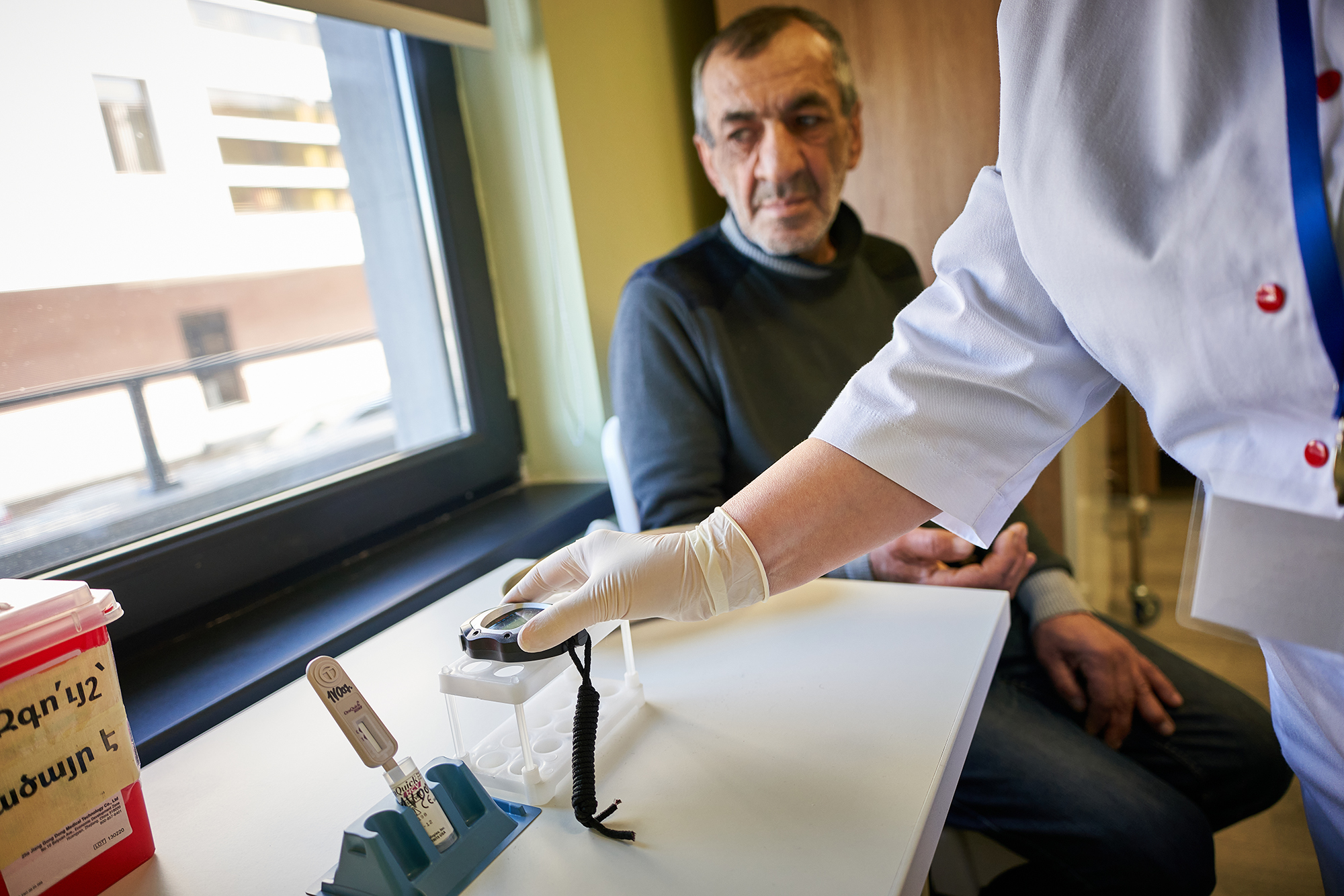
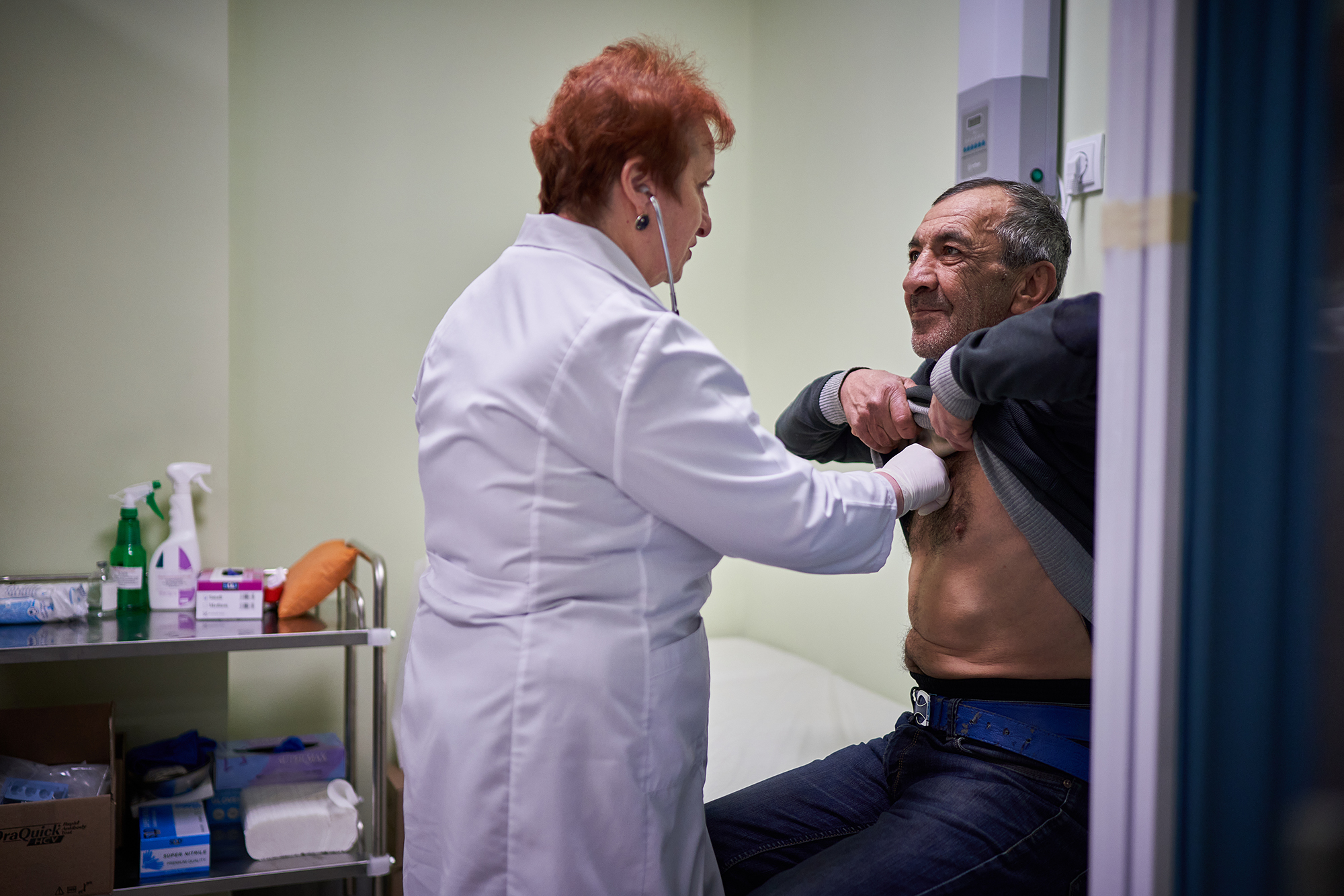
Sevan waited a long time before he let himself be tested. In his forties, he has injected drugs for years, and for most of that time the fear of a hepatitis C diagnosis felt heavier than the disease itself. “I kept the fear of being infected buried inside me for far too long,” he says sitting on an examination table in a small clinic room. It was a childhood friend and peer supporter, Sarkis, who finally persuaded him to go in, traveling especially from Russia to be tested at the medical center in Vanadzor, in northern Armenia.
Hepatitis C treatments exist. The problem is that people are afraid. I used drugs myself and tested positive a few years ago. A friend directed me toward treatment programs, and now it is my turn to guide others toward care. The stigma around drug use is strong, but here the hospital staff welcome everyone without judgment.
Sarkis
Sarkis is also a trained outreach worker in Vanadzor. “People come to me, it’s a small town, everyone knows each other. My network is wide, and it’s easy for me to bring people in. I’m HIV-positive, and I was invited to get involved partly because of that, to help people in the same situation. I’ve helped many,” he says.
Built with the people it serves
The center Sevan and Sarkis walked into treats people from across the whole northern region of Armenia, many of whom have hesitated for years out of fear of judgment or police attention. “We have been part of CUTTS HepC, run with Médecins du Monde, and backed by Unitaid, for the past two years, which lets us offer a rapid test and start treatment the same day if the result is positive,” says Dr. Nune Evinyan, who heads the center’s Infectious Diseases Department. “It is a unique project. Each person receives individual counseling, and an approach that takes their own experience and hopes into account, so we can keep improving how we work.”
CUTTS HepC, short for “Catalyzing uptake of under-utilized tools and treatment simplification for hepatitis C,” also works with the Burnet Institute, the University of Bristol and the International Network of People who Use Drugs (INPUD).
This approach is also known as harm reduction: practical, evidence-based services that reduce the health risks associated with injecting drugs while meeting people where they are, without requiring them to stop using drugs first.
In Tbilisi, that work runs through Lasha Abesadze, a biologist and former drug user who founded the Georgian Network of People who Use Drugs (GeNPUD) in 2013. Trained in the CUTTS HepC research methods, he now leads discussion groups with other people who use drugs to understand their habits and preferences, feeding what he learns back into the study’s analysis.
Most people do not seek treatment because they are afraid of admitting that they use drugs. The criminalization of drug users is a real obstacle to recovery. My role is invaluable for communicating with drug users and creating a climate of trust. We speak the same jargon.
Lasha Abesadze
Founder, Georgian Network of People who Use Drugs (GeNPUD)
“Building actions with the people directly concerned is one of the pillars of harm reduction,” says Olga Maximov, who coordinates Médecins du Monde’s programs in Armenia and Georgia. “The experiences of people who use drugs are just as important as the medical expertise of health workers.”

Community researchers like Petik, in Armenia, do the work that no clinician can: they sit down with peers who might never otherwise speak to a doctor, and carry what they hear back into the study itself. Real World, Real People is one of the community sites that screens people and refers them into the clinical network Sevan came through.
The team selected me because I'm part of the community myself. It's important that this role goes to someone from the community: people don't hide anything from me. They're more open, and they trust more.
Petik Edigaryan
Community researcher, Real World, Real People
At the national level, the study is led in Armenia by Dr. Knarik Sargsyan, the country investigator for CUTTS HepC, based at the same National Center for Infectious Diseases in Yerevan where confirmatory testing takes place.
In Armenia, treatment was only available in Yerevan. We are seeing higher rates of cirrhosis in the regions, and more complications from hepatitis C. That is why this program matters so much, for bringing treatment into the regions.
Dr. Knarik Sargsyan
Country investigator, CUTTS HepC, Armenia
Two speeds of the same idea
The study at the heart of CUTTS HepC is built around a simple problem: In harm reduction settings, people do not always come back. Someone might test positive today and, without symptoms to remind them that anything is wrong, decide it can wait, or simply not manage a second visit. For some people who inject drugs, hepatitis C is not the first priority, especially if they feel fine. Every extra step between a first test and the start of treatment is a chance to lose that person to follow up altogether.
In the standard procedure, a rapid finger-prick test is read after twenty minutes. If that test comes back positive, it still has to be confirmed by a second, more accurate test before treatment can begin, at a follow-up visit. That confirmatory test is more reliable, but it is usually slower and more costly to arrange, whether that means sending a sample to a distant lab or using specialized on-site equipment, and the wait for results can stretch to weeks.
In Armenia and Tanzania, the study is testing a shortcut: reading that same rapid test after just five minutes instead of twenty. If it already shows a positive result that quickly, the study offers treatment that same day, without waiting for the slower confirmatory test. By providing treatment immediately, this approach has the potential to reach far more people with hepatitis C.
However, the approach does come with trade-offs, which Professor Margaret Hellard, the study’s principal investigator at the Burnet Institute, is comfortable naming directly: some people whose rapid test turns positive within five minutes will, it later turns out, have already cleared the virus on their own, and treating them anyway means treating people who did not need it. The question the study is built to answer is not whether that happens, but whether it matters, set against how many more people are reached and kept in care who might otherwise be lost between one visit and the next.
One of the questions we're asking is: when I see you, your antibody test is positive, and I give you treatment immediately, and you walk out that day, am I more likely to keep you in care than if I said you need to come back for a confirmatory test? We acknowledge we might be over-treating some people. But we're asking whether that matters, if it means we don't lose people from the cascade of care.
Prof. Margaret Hellard
Principal Investigator, Burnet Institute
Georgia is running the standard, 20-minute testing procedure only, delivered through harm reduction sites run by civil society organizations, with fewer pretreatment tests required, rather than through hospitals alone.
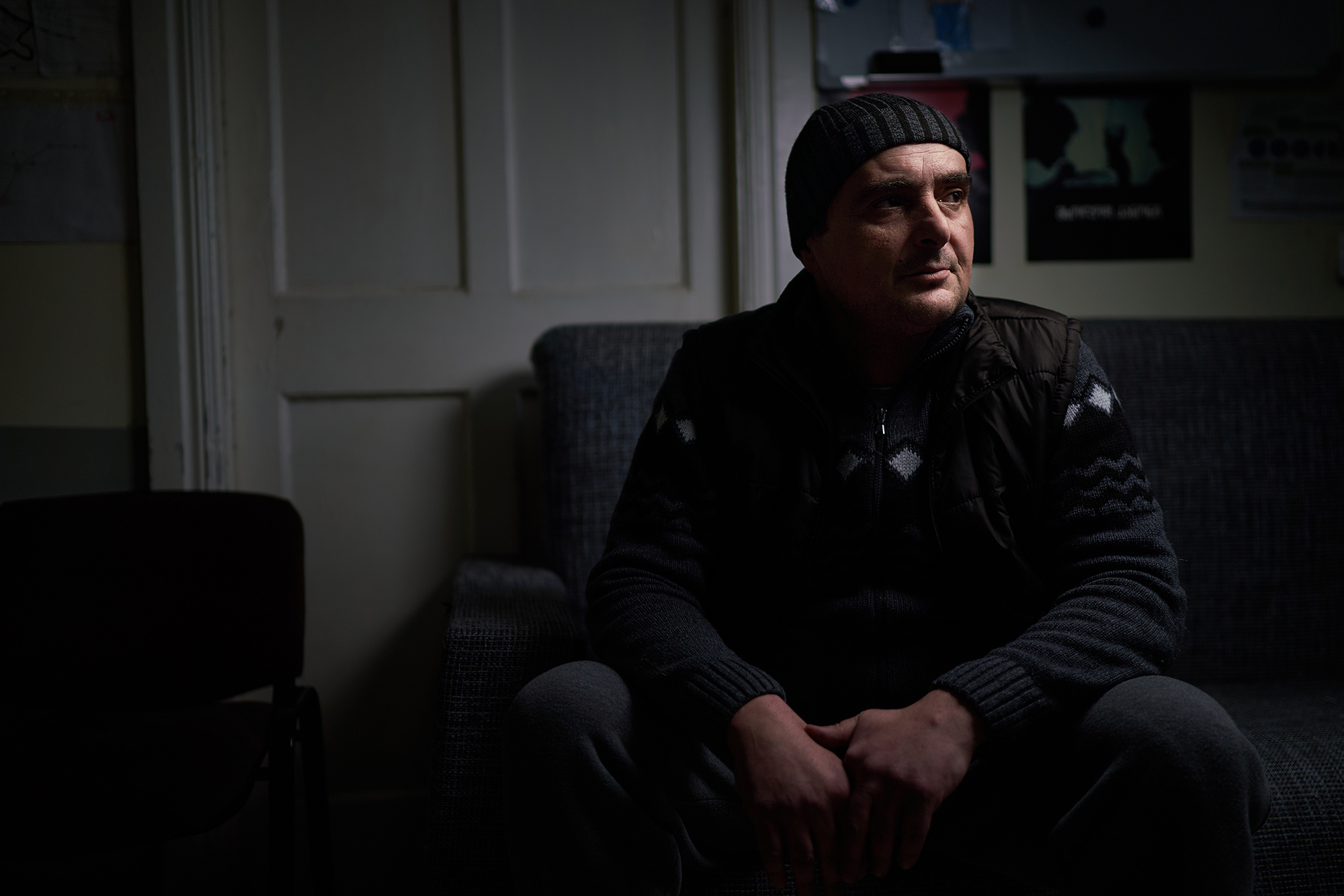
Across Armenia and Georgia, distance remains one of the biggest barriers, not only the physical distance of getting to a clinic, but distance created and reinforced by stigma and inadequate healthcare services. Some participants who live further outside the capital have known for years that they likely had hepatitis C but never made the journey to confirm it. Community outreach workers, trusted and often with lived experience themselves, are frequently what finally closes that gap.
What success could mean
WHO has set a target of eliminating hepatitis C as a public health threat by 2030. Yet in 2024, globally only around 36% of people living with the virus had ever been diagnosed, and just 20% had received treatment. Coverage among people who inject drugs is patchier still.
WHO has been involved in CUTTS HepC since its protocol was first developed. In Georgia, groundwork for the study has already prompted the national hepatitis C program to simplify its own treatment protocol for all patients, not only study participants. Dr. Antons Mozalevskis, WHO’s technical officer on HIV, tuberculosis, hepatitis and STIs among people who use drugs, has worked on viral hepatitis policy and program implementation for more than a decade and has been involved in shaping the study.
Viral hepatitis has not received the same level of donor funding, or the same global attention as HIV or tuberculosis. This is one of the few global implementation research projects with the potential to raise the profile of viral hepatitis, both in the countries where it's being implemented and globally, especially if the findings are widely shared.
Dr. Antons Mozalevskis
Technical Officer, Department for HIV, Tuberculosis, Hepatitis and STIs, World Health Organization
WHO does not currently recommend initiating treatment on the basis of a positive first test. However, if the approach proves to be effective, safe and feasible across the countries in the project, it could contribute to a future WHO recommendation, alongside the implementation experience, case studies and other evidence generated. Already, the study is supporting existing WHO recommendations to simplify hepatitis C care pathways, including by decentralizing testing and treatment away from specialist hospitals.

In Armenia, that evidence is already visible on the ground: the project has helped train doctors and extend hepatitis C treatment beyond Yerevan to towns such as Vanadzor and Kapan, results Olga Maximov calls “a real success.” Study results across all three countries are expected in April 2027; Georgia’s portion of the study concludes earlier, around mid-2026. For Pauline Lamand, who coordinates the CUTTS program for Médecins du Monde, the significance goes beyond any one country, or one disease.
Being part of this initiative, supported by WHO and funded by Unitaid as a strategic partner, is a real opportunity for Médecins du Monde. It allows us to bring our field expertise in harm reduction, built by our teams over the past thirty years in a wide variety of contexts, to the highest levels of public health decision-making. It is also the perfect opportunity to bring the voices of people who use drugs back to the forefront, as they are more likely to be affected by hepatitis C and other bloodborne diseases.
Pauline Lamand
CUTTS HepC Project Coordinator, Médecins du Monde
In Armenia, Sevan is now partway through his own course of treatment. In Georgia, Luka speaks simply about what Step to Future has meant for him. “I would not have been able to access treatment on my own,” he says. “And without this center, I might not be alive today.”
About CUTTS HepC
CUTTS HepC, Catalyzing uptake of under-utilized tools and treatment simplification for hepatitis C, is a US$10.8 million, 2023 to 2027 Unitaid-funded project led by the Médecins du Monde consortium, working with the Burnet Institute, the University of Bristol and the International Network of People who Use Drugs (INPUD). Implemented in Armenia, Georgia and Tanzania, the project tests simplified hepatitis C testing and treatment pathways for people who inject drugs, alongside two further studies on low dead-space syringes and long-acting buprenorphine. It is one of three complementary Unitaid-funded projects, alongside efforts led by PATH and Frontline AIDS, working across 10 countries to build evidence for hepatitis C elimination.
This story was prepared based on recent footage and interviews conducted by Médecins du Monde.
World Hepatitis Day is July 28, 2026