
What does one bad weekend cost a health system?
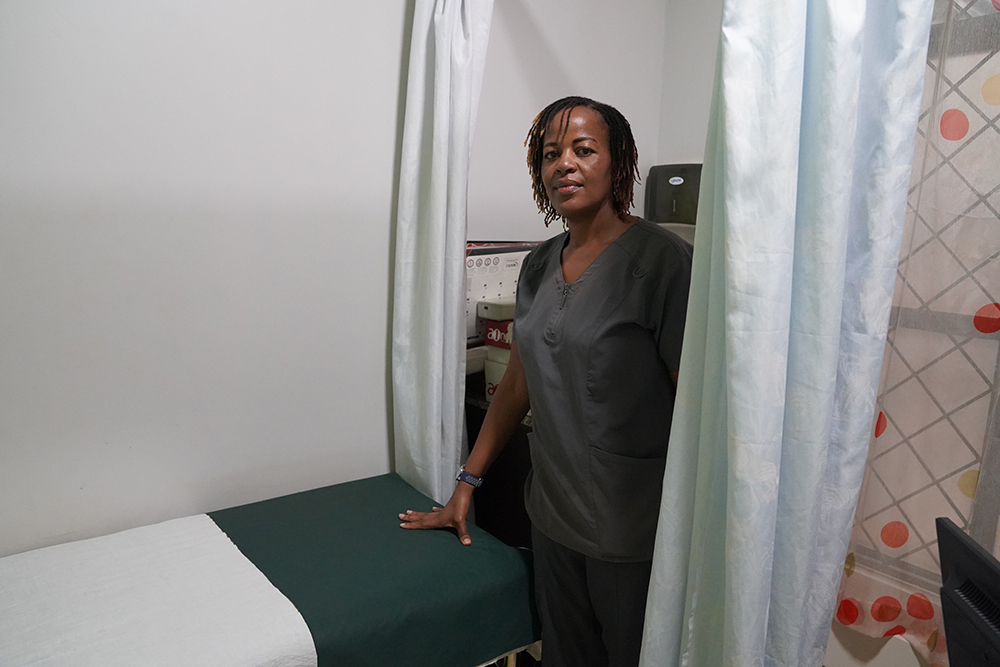
At Kiambu County Referral Hospital, Dr. Mary Maina recalls a weekend in September 2024 when it seemed nearly every woman giving birth experienced excessive bleeding.
In less than 36 hours, the hospital had used around 20 units of blood and three women underwent emergency hysterectomies – the removal of the uterus – usually the last resort when the bleeding will not stop.
It appeared that the drugs they were using simply weren’t working. Dr. Maina called in the pharmacist and tried to understand what had gone wrong.
“We tried to check if we had broken the cold chain at any point in the facility. We couldn’t identify where that break could have been,” she says.
Oxytocin, the drug most widely used for preventing and treating postpartum hemorrhage, must be kept refrigerated. Even if Dr. Maina’s hospital had maintained the cold chain while it was in their storerooms, they had no way of knowing if a break had occurred earlier in its journey.
But cold chain isn’t the only challenge. A World Health Organization review of oxytocin found approximately 40% of supplies to be substandard. Problems can arise from manufacturing and labelling, as well as inappropriate transport and storage conditions.
“For a health care worker, that’s the worst place you can find yourself,” says Dr. Maina. “We know what needs to be done. We have the right training, we know how to prevent a woman from dying from postpartum hemorrhage. But if you are showing up to work every day scared that you have a product that might not work…”
The psychological trauma of losing a woman is immeasurable, she says.
Today, a new generation of products and approaches offers an opportunity to change that story.
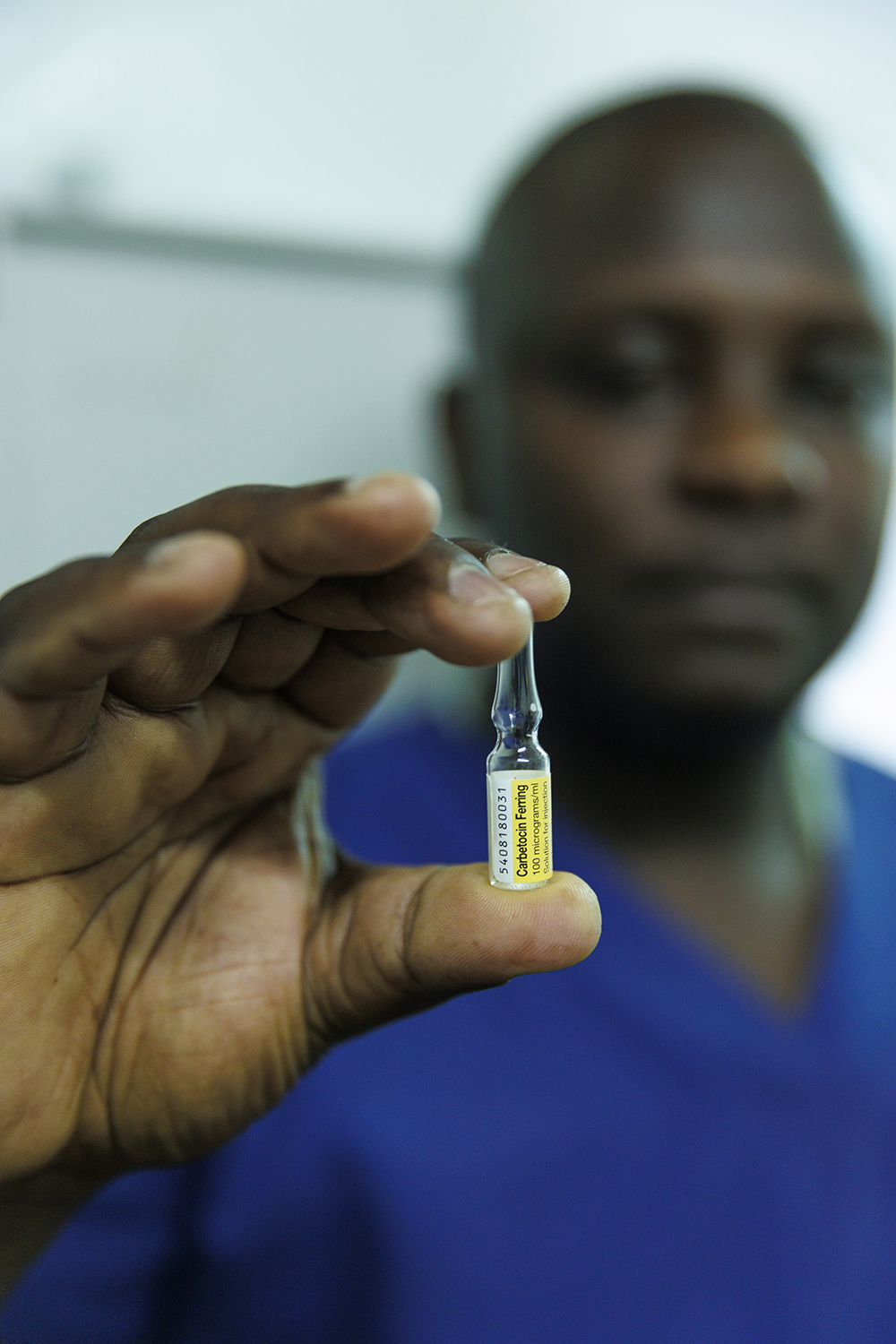
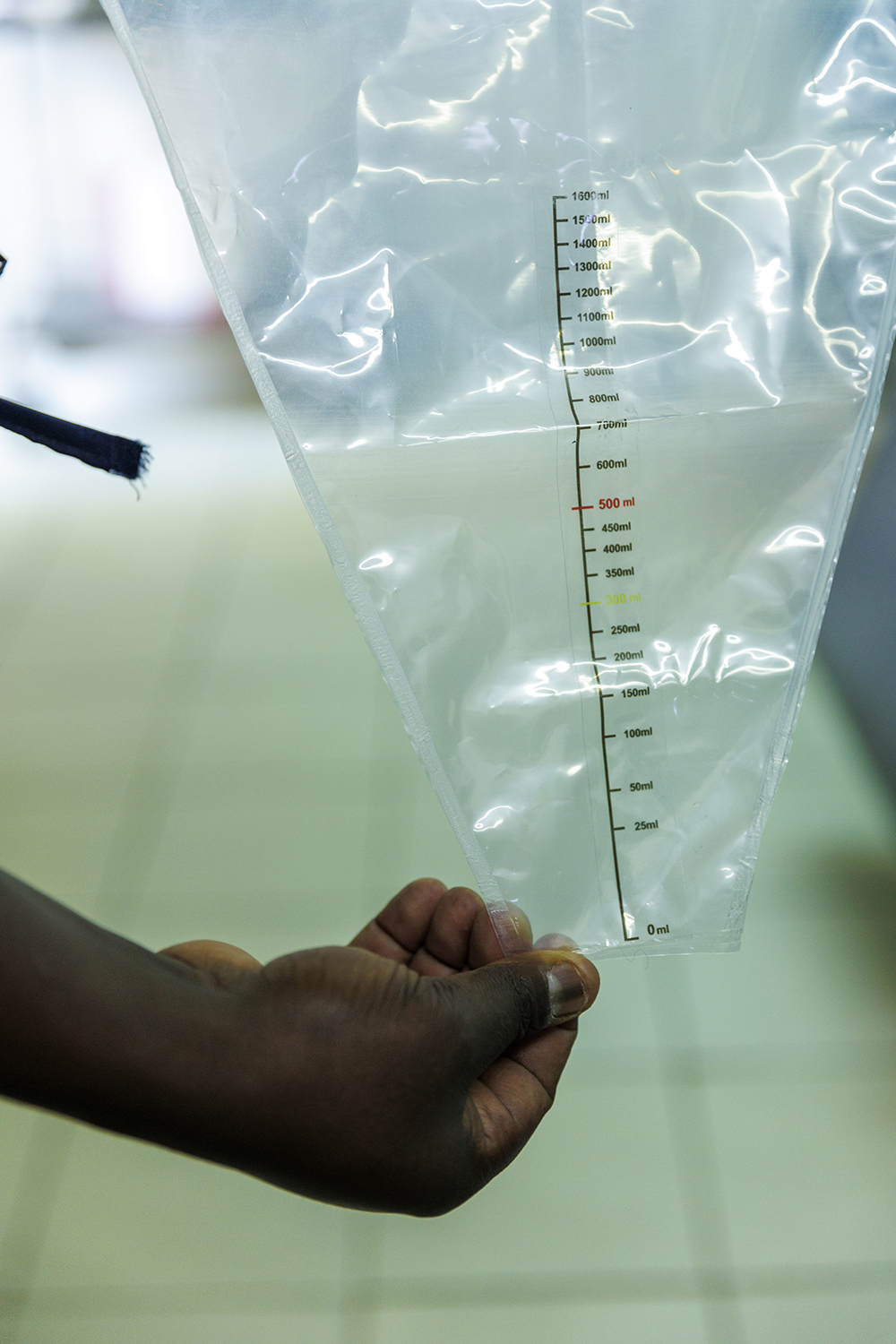
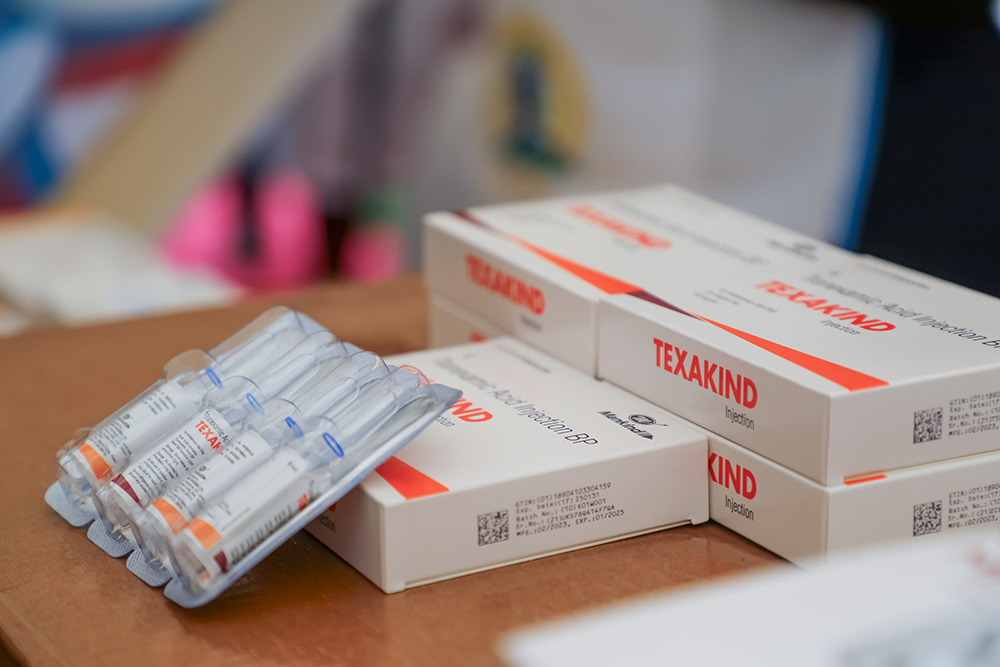
Heat-stable carbetocin can prevent postpartum hemorrhage without the refrigeration requirements or other quality-assurance challenges facing oxytocin. A simple calibrated blood collection drape can objectively measure blood loss and alert health workers to an emergency sooner. Tranexamic acid can help stop bleeding and is part of a rapid response bundle that dramatically reduces maternal death.
But better tools come with a challenge. Individual products may cost more than those they replace – particularly at first. For countries struggling to meet enormous health needs with limited budgets, that higher price tag can be difficult to justify.
Yet the price of a product tells only part of the economic story.
The compounding costs of an emergency
The price of a medicine or device is only one part of what care ultimately costs a health system. When postpartum hemorrhage is not prevented, identified or treated quickly, the costs rapidly add up, says Dr. Maina.
“If you need to refer a woman, you have to call an ambulance,” says Dr. Maina. “You have to pull a nurse off duty to accompany her.”
Then there is blood. Supplies are scarce and expensive, and transfusions themselves require staff time and monitoring. If the bleeding cannot be controlled, a woman may require surgery or more specialized care.
In a busy maternity ward with staff already overstretched, each preventable emergency uses precious resources that are needed elsewhere.
“The value of investing in better care is not a question of comparing the price of two medicines,” explains Janet Ginnard, Unitaid’s Director of Strategy. “You have to look at care more holistically – and what can be avoided when prevention, detection and treatment work better.”
A recent cost-effectiveness analysis in Uganda has done just that. It found that, although each individual dose of heat-stable carbetocin is more expensive than oxytocin, researchers estimated it could prevent nearly one-third more cases of postpartum hemorrhage.
Once they accounted for the full cost of the emergency – from blood transfusions, referrals and emergency care, surgeries and the strain on human resources – researchers estimated that heat-stable carbetocin could reduce direct costs to the public health system by US$1 million.
However, making the shift to new products or practices can itself be an access barrier. Health systems must determine how a new tool fits into clinical practice, train health workers, adapt procurement and supply systems, and generate the evidence needed to justify wider adoption.
“These costs and uncertainties are often greatest for the first countries making the switch – particularly as the returns are not yet guaranteed,” says Ginnard. “That’s where Unitaid plays a catalytic role: helping countries test lifesaving tools and approaches in real-world settings, understand what it takes to implement them effectively and develop models that can be replicated and scaled up.”
The county clinics driving national scale up in Kenya
That weekend caused Dr. Maina to look for ways to strengthen care for women giving birth in her hospital. She had heard the stories from nearby Makueni County, where healthcare workers had gone more than a year without a death from postpartum hemorrhage.
There, the health system was receiving support through AMPLI-PPHI, a Unitaid-Jhpiego partnership working to introduce a stronger package of postpartum hemorrhage care – including heat-stable carbetocin for prevention, calibrated drapes to detect excessive bleeding in time to take action, and rapid treatment using tranexamic acid and other interventions. The project also worked with health workers and county authorities to embed the new tools into routine practice through updated guidelines, training and stronger supply systems.
“I worked in Makueni county years ago,” says Dr. Maina, “at that time, women would die… I wanted to understand what had changed.”
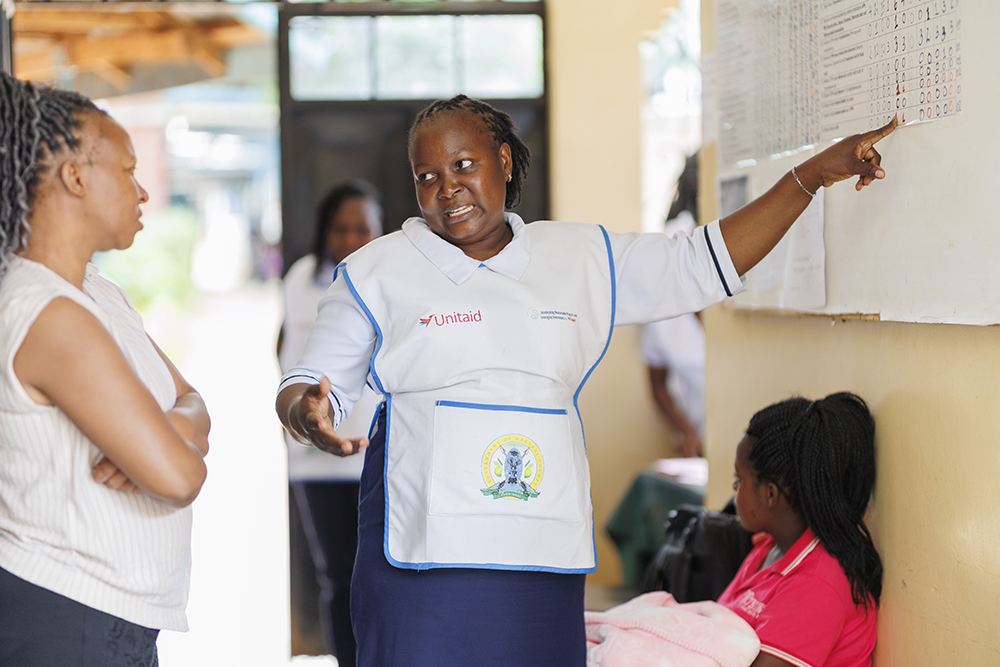
What she found was a system that had successfully brought in new tools – and drew attention from healthcare workers in counties across the country who used that model to advocate for change in their own facilities.
As the model spread from one county to the next, evidence grew – and with it, political commitment. In March 2026, the Government of Kenya committed 1 billion Kenyan shillings (US$7.8 million) to strengthen maternal and newborn health and scale up essential products used to prevent and detect postpartum hemorrhage – enough to cover all women giving birth in Kenya’s public sector for up to two years.
“This is exactly how our model is designed to work,” says Ginnard. “We invest early to understand how new products can be introduced effectively and affordably in real health systems. The goal is to generate the evidence and experience that gives governments and procurement agencies the confidence to scale what works.”
Kenya’s investment is particularly significant in an area of global health where countries cannot necessarily rely on large international procurement mechanisms to support scale-up. While major global purchasing partners help countries procure products for diseases such as HIV and malaria, maternal health products are largely financed and procured through countries’ own health systems.
“The experience in Kenya shows that the Unitaid model works in service of country priorities, for better outcomes in primary health care,” says Ginnard. “By helping countries test innovations, understand how they fit within existing systems and demonstrate their value, catalytic investment can directly support national priorities like maternal health – giving governments the evidence and confidence to adopt better tools and finance them to reach all people who can benefit.”
From products to better care
The experience also shows why the calculation cannot stop with any one product.
A calibrated drape comes at an additional cost compared with visually estimating blood loss. But if it allows a midwife to identify more cases of dangerous bleeding, sooner, treatment can begin before a woman deteriorates and needs blood, surgery or referral to another hospital. Tranexamic acid and other elements of the treatment bundle also require investment and training – but can help stop bleeding before an emergency becomes more difficult and expensive to manage.
The impact can be dramatic. A large-scale trial involving more than 200,000 women across four African countries found that objective blood loss measurement with rapid deployment of recommended treatments lowered the risk of severe bleeding, related surgery and death by 60%.
“It’s not a single product that is making the difference,” says Jeffrey Smith, Senior Technical Manager for Maternal and Newborn Health at Unitaid. “It’s a package of tools across the prevention, diagnosis and treatment continuum, delivered by a well-trained and skilled provider. That is what drives progress.”