The Union World Conference on Lung Health 2025 will take place at the Bella Center in Copenhagen, Denmark, from 18 to 21 November 2025. As the leading global forum for advancing efforts to end tuberculosis and improve lung health, the Union Conference brings together thousands of researchers, health professionals, advocates, and policymakers to share the latest evidence, innovations, and lessons from the field. It plays a pivotal role in shaping the global health agenda, fostering collaboration, and driving progress in TB and lung health worldwide.
For Unitaid, the Union Conference is an important opportunity to engage with partners, showcase the impact of the innovative solutions we support, and contribute to collective efforts to accelerate access to better tools and care for people affected by TB.
Adverse drug reactions (ADRs) can compromise treatment efficacy and patient safety. Implementing Active TB drug safety monitoring and management (aDSM) is crucial for early detection, management, recording and reporting of all ADRs, ensuring patient safety, improves treatment adherence, better treatment outcomes, reducing treatment interruptions or abandonment of treatment. aDSM helps healthcare professionals (clinician, laboratory, pharmacist, etc.), patients, patient advocates, community supporters, etc., to speak the same language for implement effective drug safety monitoring and effective treatment outcomes.
National TB programs (NTP) programs must establish policies for the systematic clinical and laboratory monitoring of patients on DR-TB treatment. Training healthcare professional, TB managers, patients and the TB community on aDSM policies and practices is a crucial contribution to treatment safety and updating policies on safety monitoring and management for DR-TB treatment.
The workshop aims to provide participants with knowledge, experience sharing and tools needed to implement robust pharmacovigilance systems to strengthen the overall capacity to manage DR-TB and other diseases conditions (comorbidity). Increase collaboration among NTPs, patients, CSO, patient advocates, regional and global stakeholders on knowledge and experience sharing, resources, and best practices on implementing effective aDSM.
Countries will share there experience and challenges on implementing effective aDSM and mitigation strategies applied. A practical (breakout session) session allowing participants to assess their country status in the process of implementing an effective aDSM system, identified gaps and design roadmap to fulfill the gaps. Participants would use self-assessment and planning tools to assess their countries’ aDSM status, challenges in recording and reporting to the PV Unit.
Over the last decade, numerous TB diagnostics have been developed, evaluated, endorsed by the World Health Organization (WHO), and adopted by countries with high TB burdens. The pathway for new technologies, however, has been lengthy and complex.
With exciting new innovations emerging now, it is crucial to understand, at both global and country levels, how to facilitate the introduction, adoption, and scale-up of new products such as tongue swabs, point-of-care nucleic acid tests (POC NATs), distributable PCR kits, and novel screening options. Key steps in the critical pathway at the country level include product development, validation, demonstration, policy, pre-launch preparations, product registration, and scale-up processes, each involving detailed planning and engagement with various stakeholders.
The Gates Foundation, McGill University, along with several partners have supported these analyses in 10 high TB burden countries (India, Indonesia, Pakistan, Bangladesh, China, Kenya, South Africa, Gabon, Nigeria, and Ethiopia). The goal of this workshop is to share the results of country-specific guide roadmaps for the initial introduction and early uptake of new TB diagnostics. The workshop will offer valuable information for manufacturers and global stakeholders on how to plan for new diagnostic introduction, regulatory pathways, added evidence required for NTP adoption, and enablers and barriers for scale-up.
Lack of access to TB screening, diagnosis and linkage to care is a key contributor to TB morbidity and mortality with 25% of people with TB being “missed” globally.
Start4All is a seven-country UNITAID-funded project aiming to address this by evaluating novel point-of-care TB screening and diagnostic combinations, including in lowest level healthcare facilities.
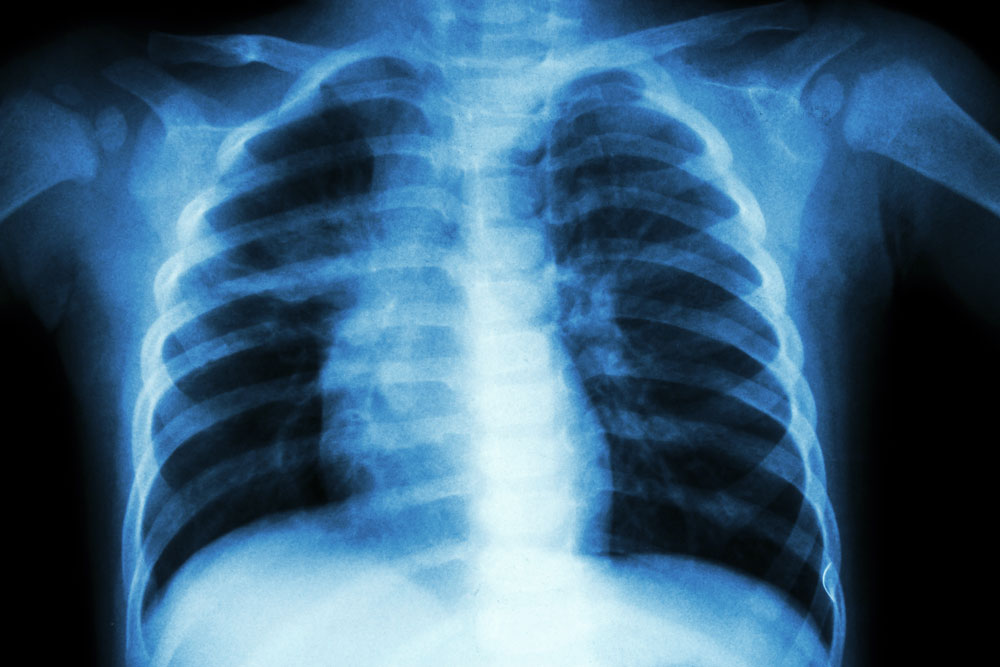
By March 2025, Start4All had recruited 15,000 adult participants, who kindly provided: two spontaneous sputa, capillary blood, urine, and a chest x-ray (CXR). Tests performed included CXR computer aided detection (CAD), pooled molecular sputum testing, C-Reactive Protein, and urinary lateral-flow assay; all evaluated against microbiological reference standards (individual sputum molecular test and/or culture).
Here, we present an overview of the performance of tests and test combinations implemented at primary healthcare facilities and district hospitals in Nigeria, Malawi, Kenya, and Brazil; and consider the challenges, successes, and lessons learnt locally to facilitate future implementation and potential scale-up.
In the endTB-Q trial, 18% of participants showed phenotypic, genotypic, or both types of resistance to at least one new or repurposed anti-TB drug. While most genotypic resistance was fixed, some involved minority variants, suggesting early resistance. These findings highlight the need for baseline drug susceptibility testing and sensitive diagnostics.
In the endTB-Q trial, among participants with acquired drug resistance, up to 86% developed resistance to bedaquiline. Variants associated with resistance were identified in most phenotypically resistant isolates, though not in all. Phenotypic resistance occasionally preceded detectable variants. Repeated sequencing over time may enhance acquired resistance detection.