
“I lost my two sisters in the 1990s when there was no treatment,” Margaret Happy says. “Today we have treatment. We have tests. No one should die from advanced HIV disease because we failed to act in time.”
Margaret – a woman living with HIV, a longtime advocate and Uganda Country Lead at AFROCAB – carries that conviction to every fishing community, rural village and busy health facility where she works. Together with Unitaid, the Clinton Health Access Initiative, AFROCAB and Penta, she is helping ensure that people at risk of advanced HIV disease receive the right test at the right time.
That work has become harder in recent years. Even as HIV care has advanced across low- and middle-income countries, shifts in the diagnostics market and funding constraints are creating new pressures. For Margaret, those pressures are not abstract. They show up in everyday decisions about who gets tested, who gets treatment and who gets left behind.
A test that came in time
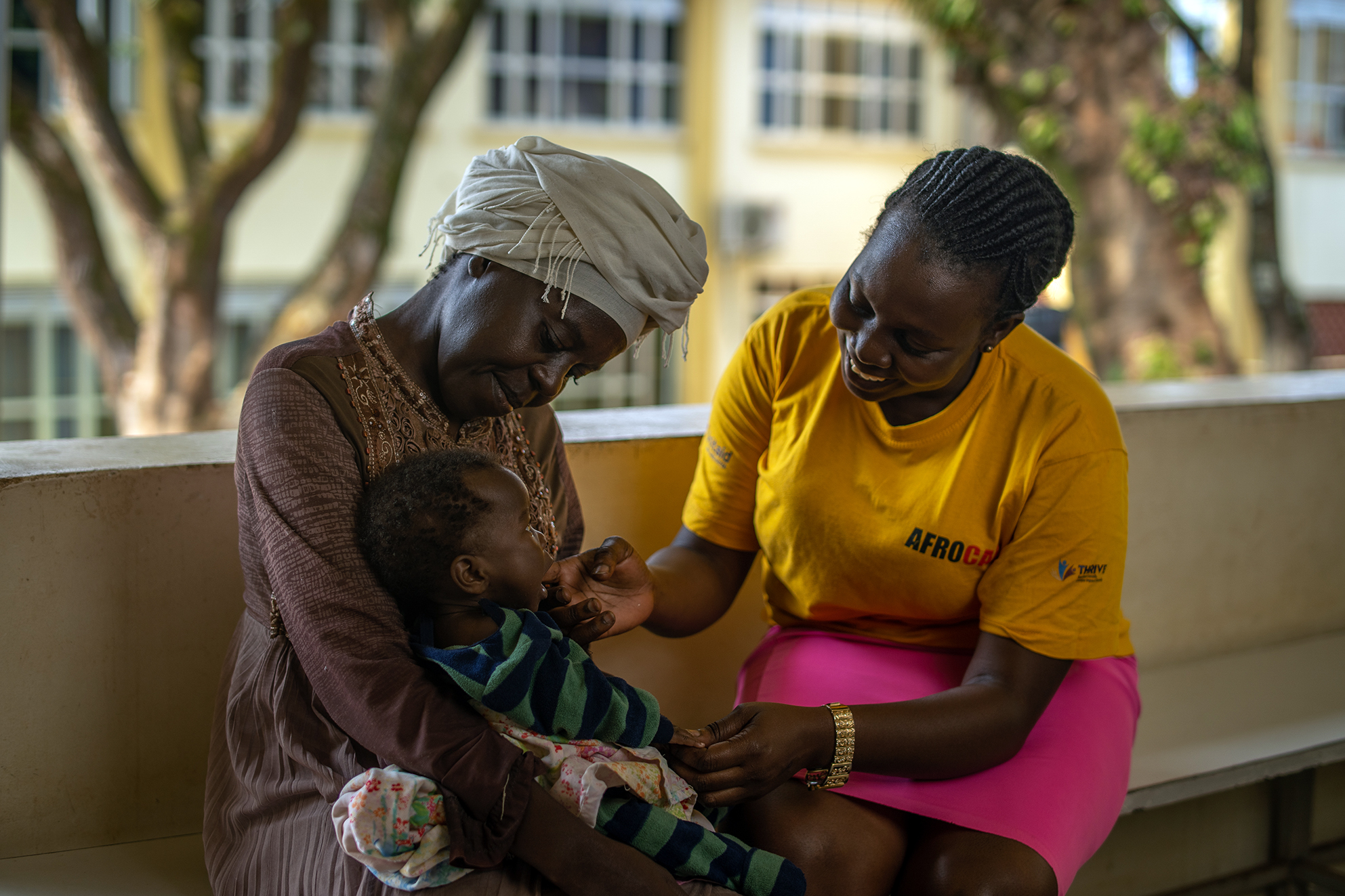
Rhema Namaganda first met a community health worker when her baby, Helen, became seriously ill. Concerned about the child’s condition, the health worker encouraged Rhema to visit a health facility for testing.
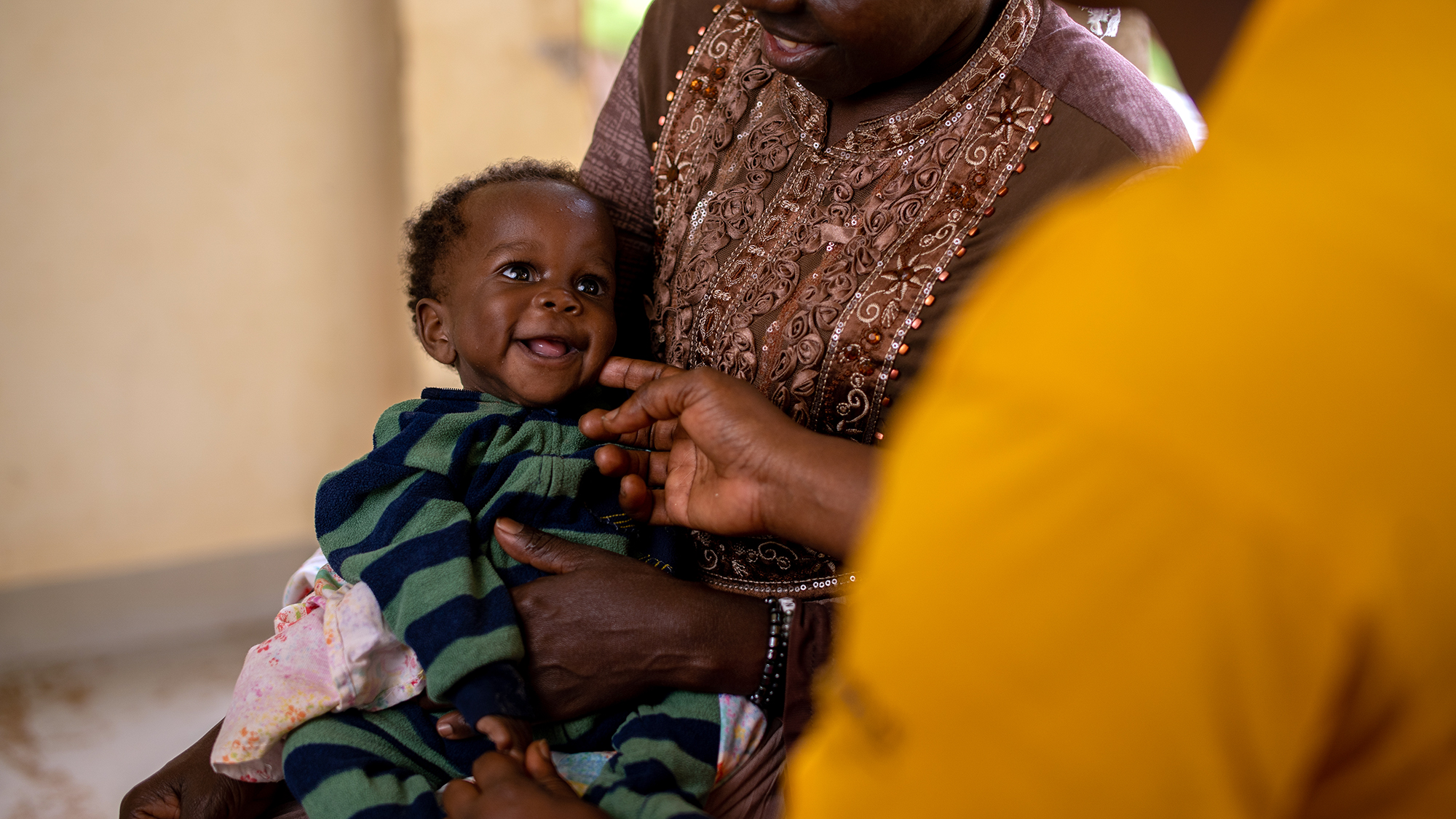
There, both mother and baby were diagnosed with HIV. A simple CD4 test – which measures the strength of a person’s immune system – revealed that they were both in serious danger and needed urgent care. That test enabled health workers to quickly start them on the right treatment and support package. Without that test, their level of risk would have been harder to identify, and care could have been delayed.
Rhema was initially overwhelmed. But with counseling and support, she began treatment alongside her baby.
Follow-up from community facilitators, both at the facility and after they returned home, helped her stay on treatment. Within weeks, she saw a clear difference. Helen’s health improved, and Rhema began to regain hope.
Now, she encourages others to get tested and seek care early. “When you start treatment, life goes on,” she said.
For Margaret, Rhema and Helen’s story is exactly why her work matters – and why a single test can make the difference between life and death.
Two tests, two different questions
The test that helped Rhema is called a CD4 test, and it answers a very specific question: how strong is a person’s immune system right now?
When a person’s CD4 count falls below 200 cells/mm³, they are considered to have advanced HIV disease, or AHD. At that point, the risk of disease progression and serious opportunistic infections such as tuberculosis and cryptococcal disease rises sharply. Without quick action, people die.
CD4 testing works alongside another tool Margaret relies on: viral load testing, which measures the amount of HIV in the blood. The two tests answer different questions. Viral load shows whether treatment is working. CD4 shows how strong the immune system is in someone with HIV.
The World Health Organization recommends CD4 testing when people first enter care, and again for those returning to treatment after an interruption. It is the preferred way to identify advanced HIV disease – and to trigger the package of care that follows if the CD4 is low, including screening for tuberculosis and cryptococcal disease, preventive treatment and closer follow-up.
But over the past decade, something troubling has happened. Viral load testing has scaled up globally while CD4 testing has quietly declined – not because it is needed less, but because funding priorities shifted. As demand fell, so did supply. In 2022, two longstanding suppliers signaled their plans to exit the CD4 market altogether, creating new risks for countries that rely on these tests.
For Margaret, this shift is felt in everyday decisions. When CD4 tests are not readily available, or when results are delayed, it becomes harder to identify who is most at risk. And without that information, lifesaving care can come too late.
In response, Unitaid and partners are working to stabilize access to CD4 testing by supporting the introduction of new, affordable diagnostic options and ensuring they can be used in the settings where patients first seek care. Both tests are essential. Countries need continued access to viral load and CD4 testing alike, so that no one living with HIV, especially anyone with advanced HIV disease, is left behind
Who arrives late, and why
Margaret sees what happens when people reach care too late. Some are getting tested for HIV for the first time. Others have interrupted treatment because of stigma, challenges in getting to the clinic or medicine stockouts.
Many people do not feel unwell in the early stages of HIV and may not realize they should get tested. Others fear stigma. Mobile populations, such as members of fishing communities and long-distance drivers, may struggle to follow up with appointments. Children are particularly vulnerable as they depend on caregivers to bring them to the clinic, and HIV can progress rapidly in young children.
Once treatment is interrupted, the risks multiply – and stockouts of antiretroviral medicines – or of CD4 testing reagents – can compound them.
“We need regular supply of all HIV medicines, reagents and CD4 tests,” Margaret says. “When someone does not adhere to treatment, their viral load increases and their immunity can go down. That is when the risk of advanced HIV disease increases.”
Through AFROCAB’s network of community champions, people who miss appointments are followed up quickly. Home visits, counseling and post-discharge support help prevent avoidable deaths, especially among children.
Taking CD4 testing into the community
In these situations, timing is everything. Identifying advanced HIV disease quickly can determine whether someone receives the care they need in time – or arrives too late.
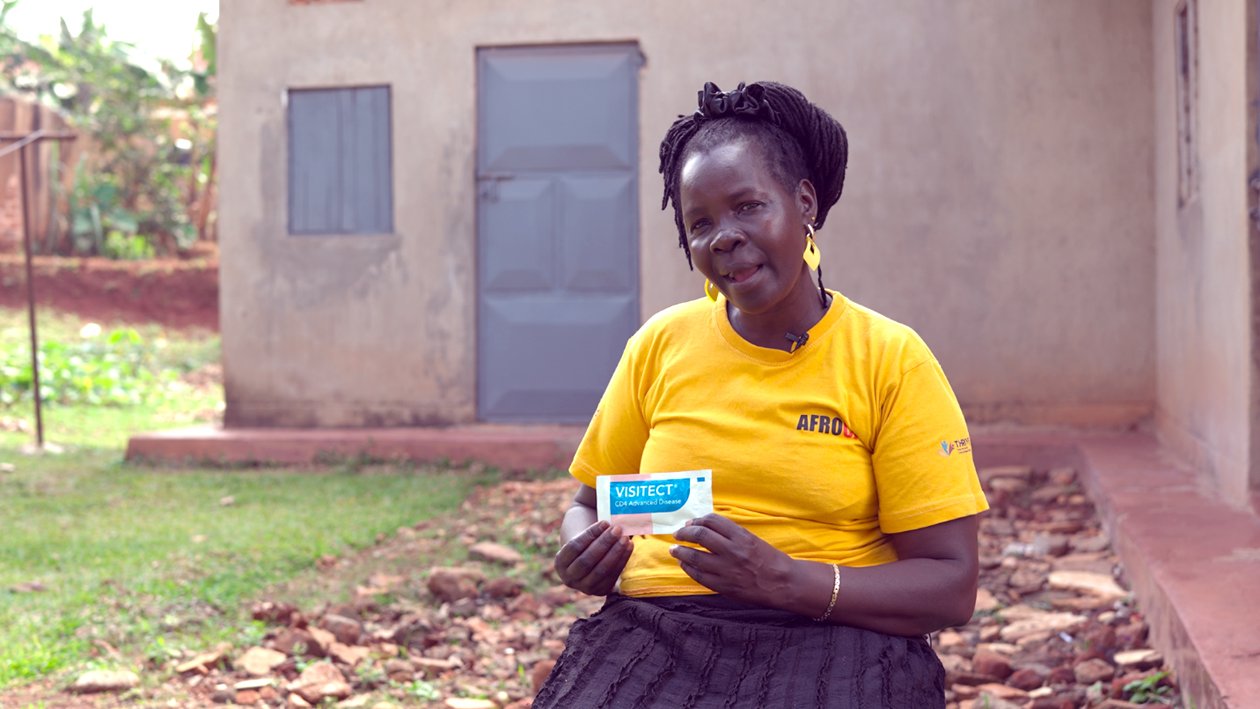
That is why Unitaid and partners are supporting the introduction and rollout of affordable point-of-care CD4 tests that can be used closer to patients, including in remote and hard-to-reach communities. These tools allow health workers like Margaret to quickly identify people with advanced HIV disease and act immediately, without waiting on results from centralized laboratories.
For Margaret, this means being able to test someone during a community visit and know on the spot whether they need urgent, lifesaving care. “CD4 testing is an entry point for prevention and management of AHD,” she says. “If we do not test, we do not know who needs the advanced HIV disease package of care. And if we delay, we risk losing them.”
A balanced response to HIV
Community advocates like Margaret have consistently pushed to keep CD4 testing at the center of HIV care, alongside viral load testing. Both tests save lives. Neither is optional.
In a changing diagnostics market, maintaining access to both is not guaranteed and requires deliberate effort. By investing in both, and in the development, introduction and scale-up of point-of-care CD4 tests, Unitaid and its partners are helping countries maintain balanced HIV responses in a changing landscape. This includes working to ensure that CD4 testing remains available and accessible, even as the market evolves.
For Margaret, the mission is personal, and the stakes are clear. In communities across Uganda, stopping advanced HIV disease depends not only on having the right tools, but on ensuring they are available when and where they are needed. For Margaret, that often begins with a CD4 test delivered at the right moment, in the right place, by someone who understands exactly what is at stake.