
From self-care and long-acting prevention to faster diagnostics and affordable treatment, new tools are enabling earlier, safer and more private access to care while helping reduce stigma.
Over the past two decades, Unitaid has helped accelerate access to more than 100 health products, many of which are transforming care for women – such as the innovations highlighted below. In Unitaid’s 20th anniversary year, these advances reflect sustained efforts to expand equitable access to health innovation worldwide.
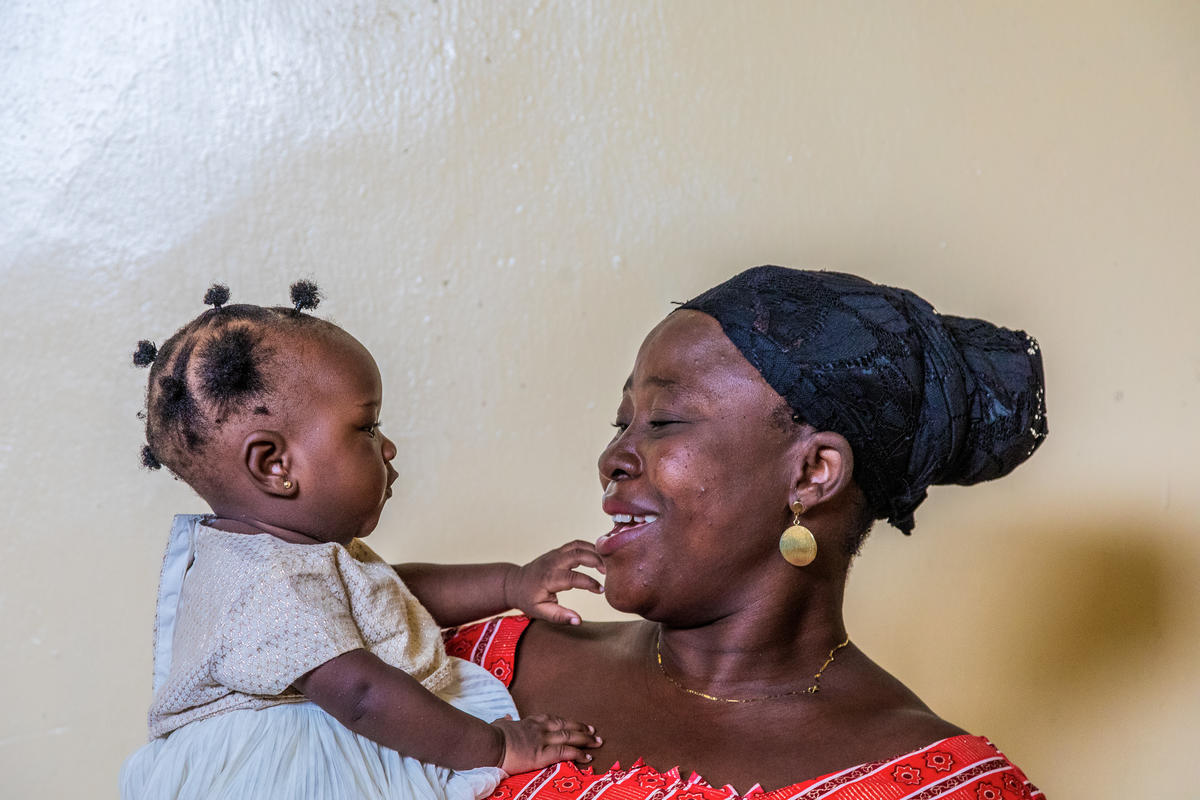
In sub-Saharan Africa, women and adolescent girls face higher HIV risk than men, yet many cannot negotiate condom use or safely use daily oral PrEP. Long-acting options – including the dapivirine vaginal ring and lenacapavir – now offer discreet, low-visibility protection and real choice, enabling women to use prevention in ways that fit their lives.
Read more: Accelerating equitable access to lenacapavir

HIV self-testing and HPV self-sampling empower women to access essential services privately and conveniently, reaching those previously excluded by stigma, distance or cost. Shifting care beyond facilities increases coverage and promotes earlier testing and care. When linked to simplified cervical cancer “screen-and-treat” pathways – where women can be tested and treated in a single visit – these approaches also support timely diagnosis and treatment.
Read more: Self-collected samples for cervical cancer screening
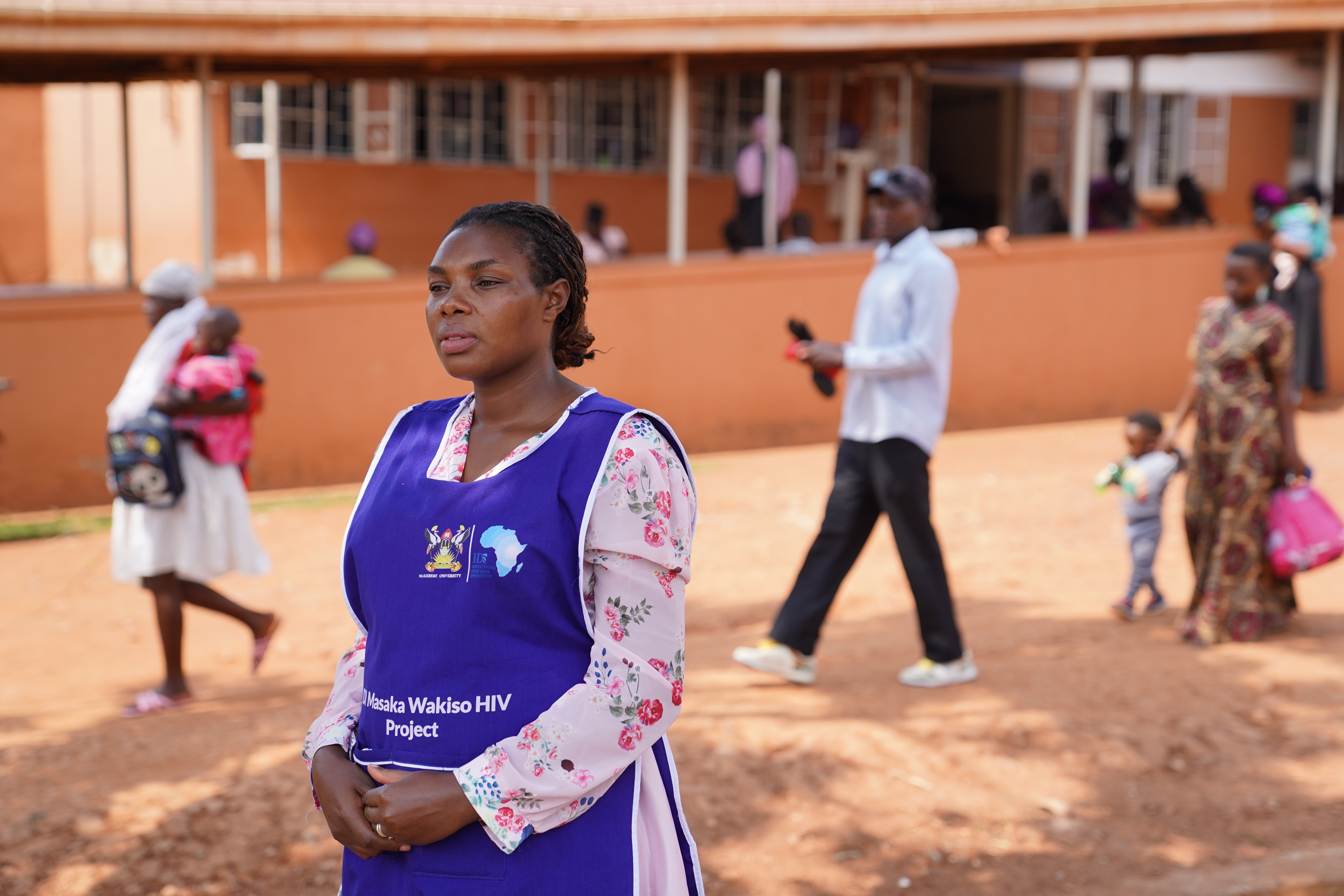
Strengthening screening and treatment within routine antenatal care is helping prevent transmission of infections such as HIV, syphilis, hepatitis B and Chagas from mother to child, while creating opportunities for partner testing and broader family health.
New tools are also making pregnancy and childbirth safer—from earlier detection of pre-eclampsia and anaemia to improved prevention and management of postpartum hemorrhage. Using antenatal and childbirth care as a comprehensive platform is expanding reach and improving health for women, newborns and families.
Read more: Innovations in women and child health
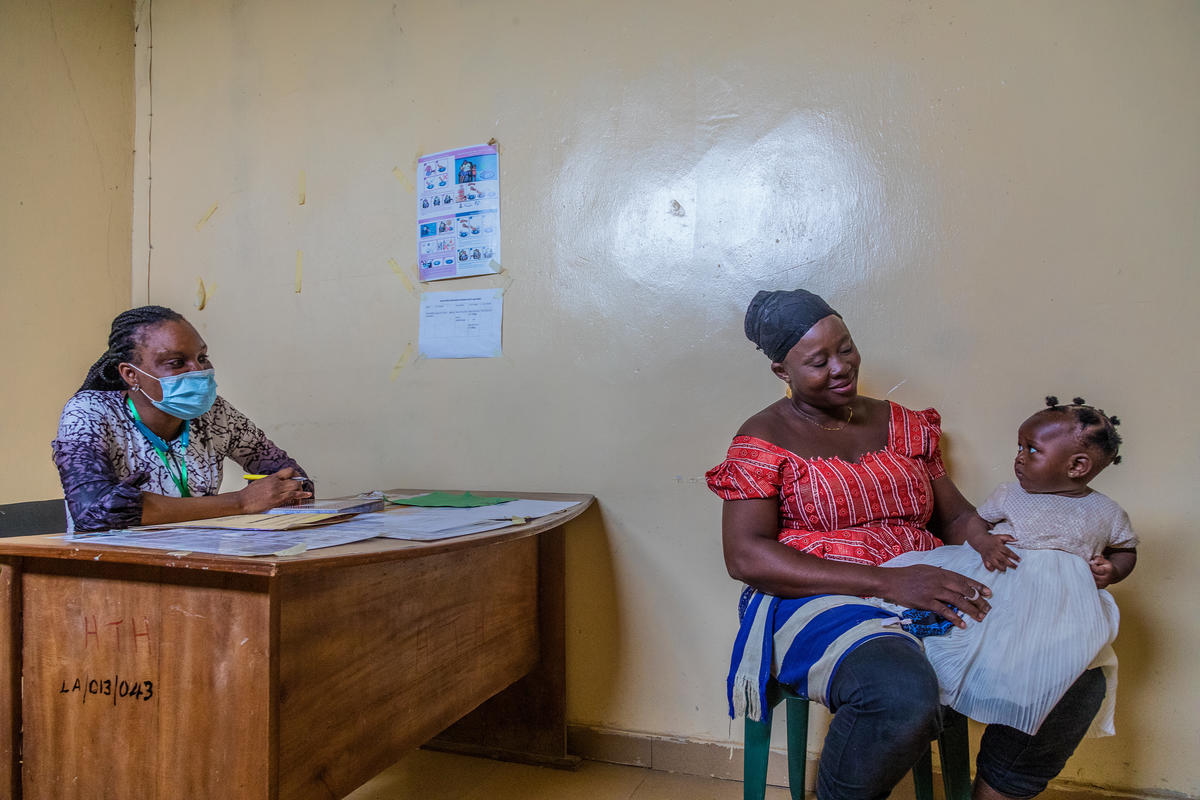
Portable, multi-disease point-of-care tests enable women to access screening and diagnosis for multiple conditions in a single visit – saving time and cost while improving access for women balancing work, study, care and daily life. Integrating diagnostics at primary care lowers system costs and accelerate access to timely treatment in low-resource settings.
Read more: Unitaid to fund initiatives expanding access to diagnostics
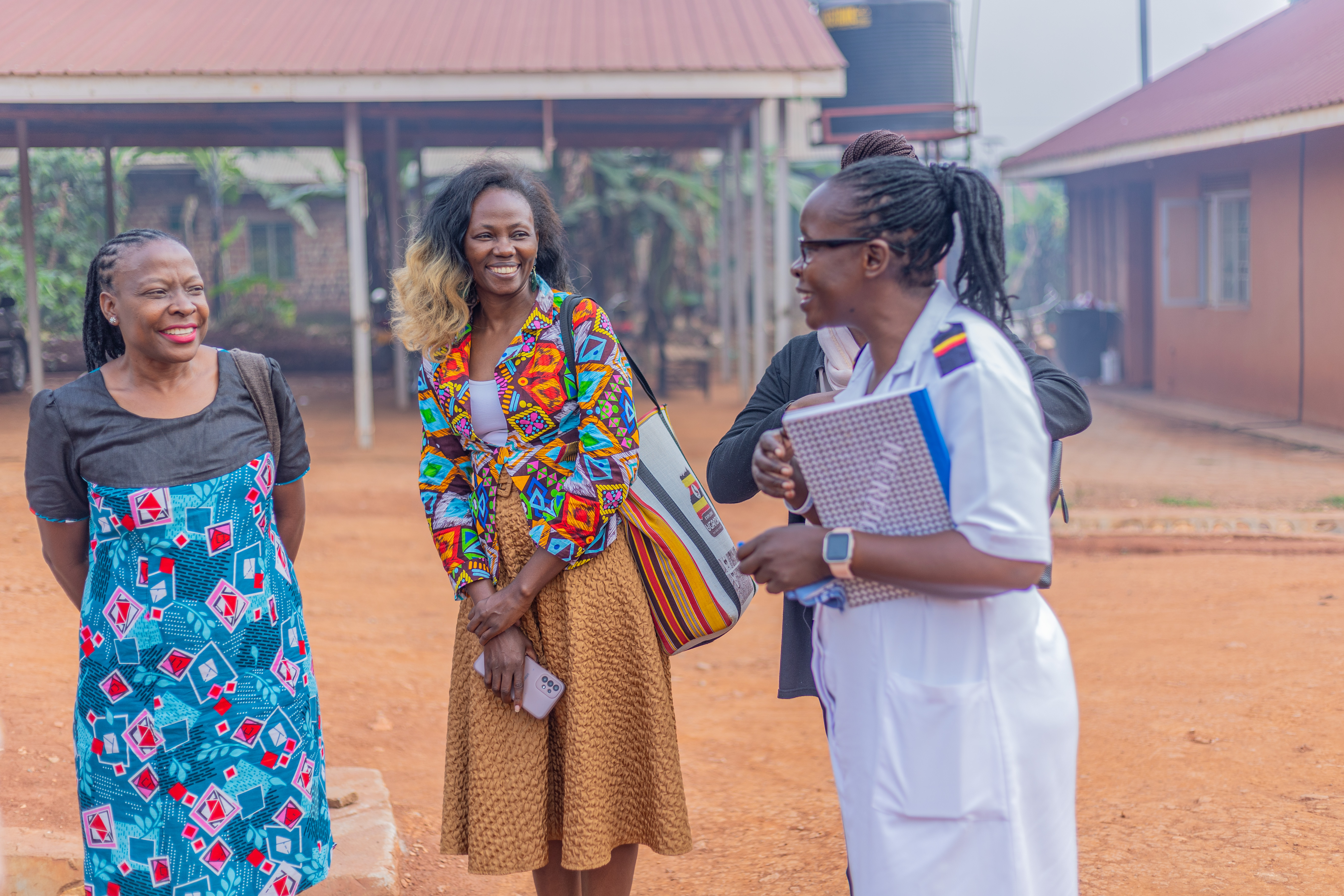
Reliable medical oxygen is essential for treating respiratory illness, surgical emergencies and complications during childbirth, yet access has long been limited in many low-resource settings. Unitaid investment in oxygen systems – including production and delivery – is helping women receive safe care during obstetric emergencies and other critical conditions. Strengthening oxygen access is fundamental to survival and to the foundations of safe emergency and maternal care.
Read more: Game-changing medical oxygen
Innovation alone does not guarantee equity – but when it is designed with women in mind and delivered at scale, it can help close some of the most persistent gaps in global health. In many low- and middle-income countries, women make up the bulk of the frontline health workforce – as nurses, midwives and community health workers – yet hold a fraction of leadership roles. Designing innovations with health workers and around the realities they face helps ensure new tools are usable, scalable and effective in practice.
This International Women’s Day, these advances show what is possible when women’s needs shape innovation across the life course – and why sustained investment in equitable, accessible health technologies remains essential for the years ahead.