

This blog is adapted from an article titled ‘Advancing global health through market shaping: Cases and learnings.’ The peer-reviewed article was published in PLOS Global Public Health and co-authored by colleagues from government, multilateral organizations, civil society, industry, and academia.
When a breakthrough medicine is discovered, most people assume the hard part is over. But in global health, it’s only the first step.
A medicine does not save lives simply because it exists; it must be produced in sufficient quantities, be affordable and reach countries that are able to buy it and ready to deliver it. Without deliberate action, these elements can take years to address – critically delaying the impact innovations could otherwise achieve.
In global health, market forces – such as supply, demand, price, competition and consumer preferences – can break down when innovations are introduced. Because markets are designed to reward purchasing power and profit rather than human need and equity, people in countries facing the greatest health challenges are frequently the last to benefit.
Market shaping is about correcting for those gaps to ensure that people – no matter where they live – can access the medicines, tests and other health technologies they need.
What is market shaping?
Market shaping is a tailored approach, designed around the specific challenges facing a product, region or population. It involves working intentionally with governments, drug manufacturers, and global health partners to achieve affordable prices, increase supply and reduce financial risk, instead of waiting for the system to correct itself over the course of years – if ever.
Through interventions such as pricing negotiations, licensing agreements, pooled procurement, demand forecasting, shared financial risk and increased competition, market shaping changes how markets function – accelerating access to life-saving health products where market forces alone fall short.
Over the past two decades, this approach has helped change the course of global health by accelerating access to lifesaving health tools and underpinning much of the progress made.
Aligning supply, demand and price for faster access to life-saving HIV medicines
One of the most powerful ways that market shaping supports global health efforts is by speeding up access when a promising innovation emerges.
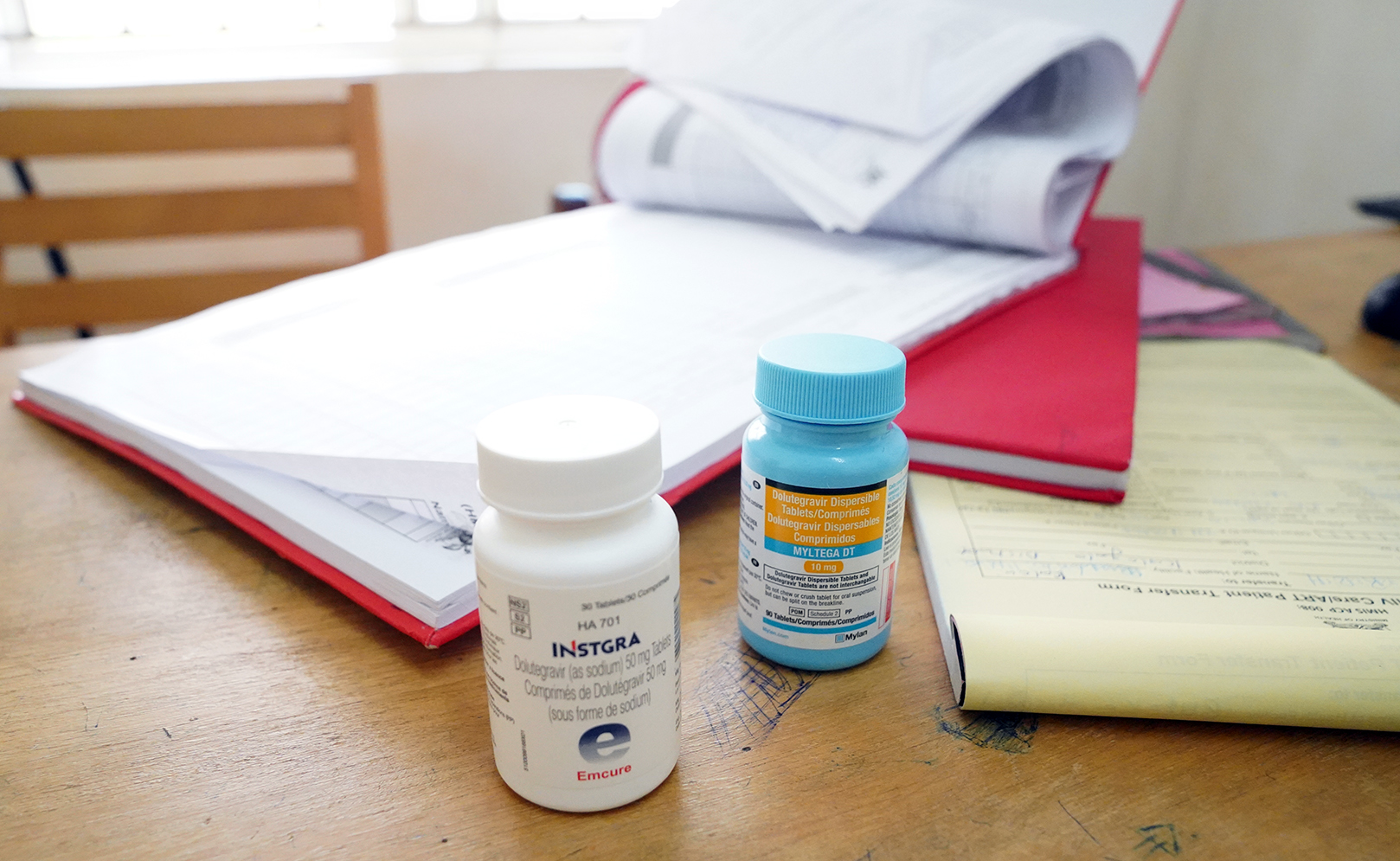
When the HIV medicine dolutegravir was first approved in 2013, it had the potential to transform treatment. It worked faster, was more tolerable and was easier to take than existing options. But, as with many breakthroughs, there was a risk that people in the countries most affected by HIV would be the last to benefit. Clinical trials to support the first market authorizations did not reflect the demographics or needs of people living in the most affected places and prices were high, supply was limited and manufacturers had little incentive to scale production quickly for lower income markets.
Unitaid supported work to ensure the new medicine was safe and effective in pregnancy, and in cases where a person was also affected by tuberculosis – a common co-infection.
We also took steps to expand supply. Through voluntary licensing, the originator company agreed to share the patent with generic drug producers. This allowed multiple producers to supply low- and middle-income countries, while the originator remained exclusive rights to sell in high-income countries. The result was increased production capacity and competition in countries with the greatest HIV burden.
Sustainable, affordable price was achieved through an advance purchase agreement, which allowed two generic manufacturers to start production without delay, while giving Unitaid and its partners the leverage to negotiate a ceiling price of US$75 per person per year.
Community and civil society efforts got the word out – ensuring people affected were aware of the new treatment and knew how to get it. This helped drive demand and uptake, while additional country registrations and catalytic procurement in 13 high-volume markets further accelerated adoption.
The results were dramatic – the first supplies of dolutegravir reached people in low- and middle-income countries just three years after its approval in the United States – far faster than the historic norm. By 2023, more than 24 million people were using dolutegravir, at prices below US$40 per person per year. Estimates show that access to this improved treatment will save 1.1 million additional lives by 2027 and generate up to US$10 billion in savings for HIV programs by 2030.
Similar approaches have helped accelerate access to shorter TB preventive treatments, enabled countries to scale up a cure for hepatitis Cand helped get first-in-class products like the malaria vaccine off the ground – illustrating the varied applications of market shaping and its impact across very different diseases and contexts.
The global health progress achieved over the past two decades clearly illustrates that market shaping works best when it takes a system-wide view of access.
Price alone does not determine the success of health products. Their impact depends on how well they fit into real-world delivery systems, whether supply can meet demand, whether countries have confidence to adopt them, and whether risks are shared across public and private actors. This is why Unitaid’s approach to market shaping looks beyond individual deals to the broader ecosystem – connecting innovation with financing, policy, delivery and community engagement.
As global health funding becomes more constrained, this big-picture approach is more important than ever. Targeted, catalytic interventions, designed in partnership with communities and country stakeholders, can help countries move faster, reduce risk for suppliers, and ensure that innovations reach the people who need them most.
But the lesson is clear: market shaping delivers impact – not when treated as a standalone solution, but when it is designed as part of a comprehensive access strategy from the start.