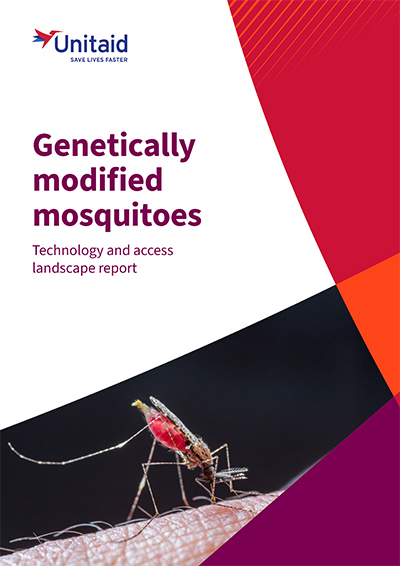
Mosquitoes are the world’s deadliest animals, responsible for more than 700,000 deaths worldwide each year. While malaria accounts for most of these deaths, other mosquito-borne diseases such as dengue, chikungunya, yellow fever or Zika, are spreading rapidly, putting millions of people at risk. Genetic modification of mosquitoes that reduce their population size or inhibit their ability to transmit parasites and viruses could offer new ways of protecting people from mosquito-transmitted diseases.
Rising temperatures are expanding mosquito habitats into new regions. This year alone, mosquitoes were detected in Iceland for the first time, and Aedes aegypti – the species that carries dengue, chikungunya and Zika – was found in the UK. These developments underscore how a warming climate is helping mosquito-borne diseases spread to areas previously unaffected.
Paired with funding constraints and growing resistance to insecticides and antimalarial medicines, these challenges threaten to reverse hard-won progress against malaria. Meanwhile, countries are also struggling to contain an increasing burden of dengue and other mosquito-borne diseases and have few proven tools to combat a growing crisis. Without new tools, hundreds of millions of people will face an increasing risk of infection from mosquito-borne diseases.
Unitaid’s new Genetically Modified Mosquitoes: Technology and Access Landscape Report draws attention to the intersection of climate and health, and the importance of innovation in protecting communities from the growing threat of mosquito-borne diseases.
The report explores the potential of genetically modified mosquitoes as a new tool to reduce the burden of vector-borne diseases. It outlines access challenges and opportunities to overcome them, offering pathways to further explore how genetically modified mosquitoes could contribute to the fight against malaria and other mosquito-borne diseases.
Genetic modification is not a new technology – it has been widely used in agriculture for decades – but its application to public health has progressed more slowly and is now reaching a pivotal moment. The first releases of genetically modified mosquitoes targeting dengue and malaria have already taken place, and field trials to assess potentially more effective technologies are planned.
Existing vector control interventions face limits. Providing alternatives that close coverage gaps and tackle the biological threats of insecticide resistance and invasive, adaptable vectors, is essential to maintain progress in the fight against vector-borne diseases,” said Jan Kolaczinski, Unitaid’s Senior Technical Manager for malaria. “Genetically modified mosquitoes, like any other new technology, need to be comprehensively evaluated to determine their potential role in the vector control toolbox.
Unlike other vector control measures, such as indoor residual spraying or insecticide-treated mosquito nets, genetically modified mosquitoes do not rely on changes in individual behavior to be effective, like allowing spray teams to enter one’s house or remembering to use a mosquito net each night. Releases of genetically modified mosquitoes, however, require broad community acceptance to mitigate fears and combat misinformation. When such buy-in is achieved, these mosquitoes may provide protection to entire communities. Recent successes include the release of Wolbachia-infected mosquitoes in Niterói, Brazil, which are not genetically modified but carry a bacterium that reduces their ability to transmit dengue. This intervention, which averted an estimated three-quarters of the dengue case burden that may otherwise have been expected, illustrates the potential of biological approaches to reduce disease transmission.
Kyle Wilkinson
Communications officer
+41 79 445 17 45
[email protected]