
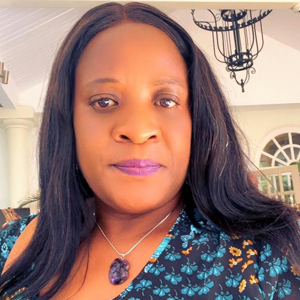
When I gave birth to my second child, I was forcibly sterilized. Because I was HIV positive, I wasn’t informed, and I wasn’t asked. That moment changed everything for me. I realized I had to act – not just for myself, but for every other woman who could face the same violation. That’s how my activism began.
The everyday struggles of women living with HIV
In my community – and many others – women and girls living with or at risk of HIV face challenges that go far beyond just medicine. Stigma and discrimination are real! It brings fear and keeps us far from testing or treatment. The gender-based violence also increases our vulnerability as it contributes the lack of female-friendly healthcare, limited access to information, and power imbalances that prevent us from negotiating safer sex or insisting on condom use.
Many young women and marginalized groups don’t have access to culturally sensitive sex education and fear of judgement can push them away from life-saving services. It all adds up to more isolation, keeping many of us on the margins.
That’s why I believe advocacy matters because no one should live in fear or shame. It’s how we educate, shift perceptions, and challenge harmful norms. And it’s how we hold institutions to account. I’m proud to be part of the People Living with HIV Stigma Index, gathering real-world data to show that we can’t end AIDS without ending stigma.
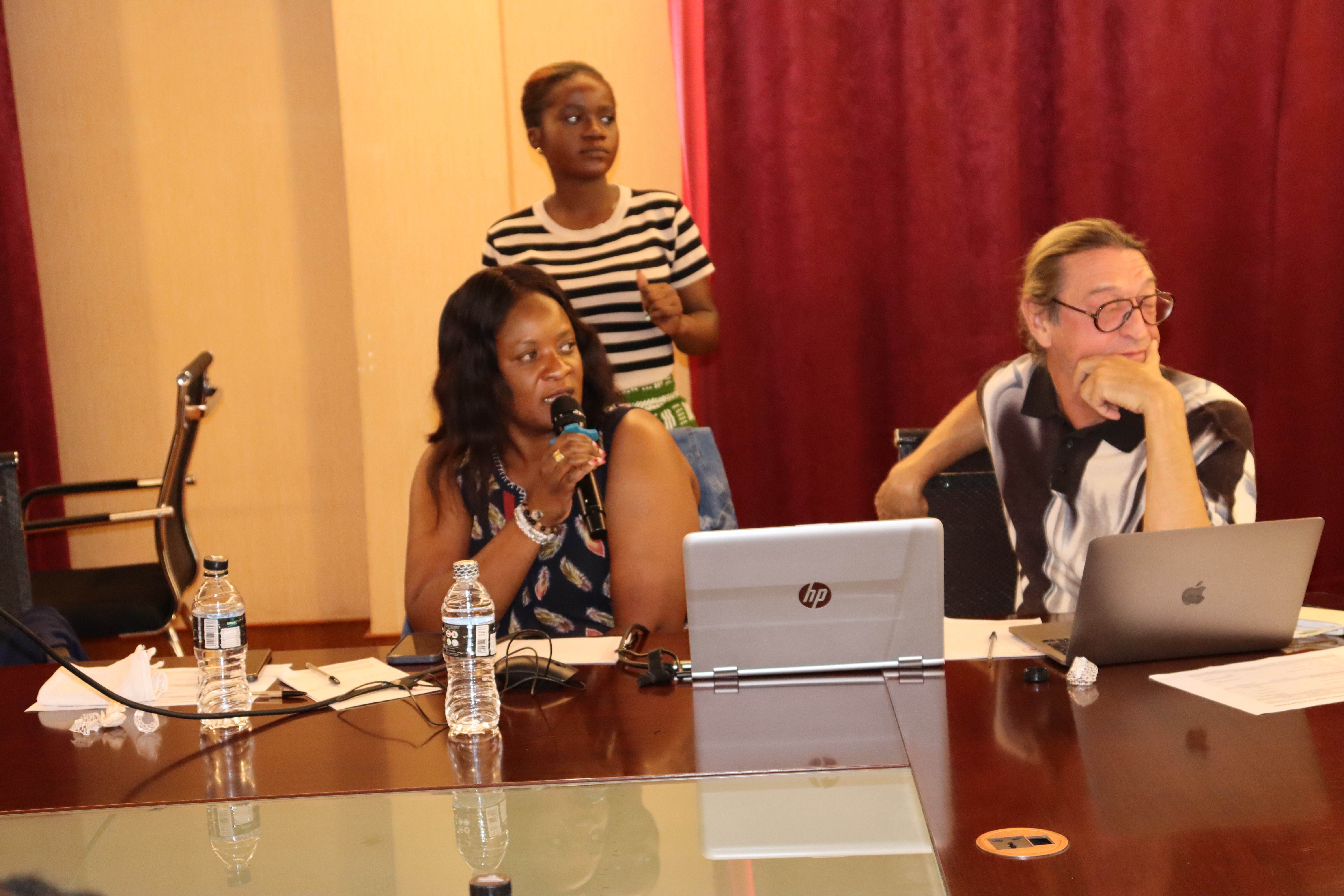
Working as Unitaid Community Delegation member, I bring my lived experiences as a WLHIV directly into decision-making spaces. I speak for the voiceless and my entire community in front of donors, researchers, and policy makers, making sure their strategies reflect the real-world barriers we face. It’s a chance to take the truths from villages, clinics, and streets, and put them on the tables where funding priorities are decided. And I can link my community to opportunities such as new tools and advocacy training.
Looking ahead, I want to see our delegation be an even stronger network that works hand in hand with women-led groups on the ground, provides mentors for new advocates, and builds strong regional hubs.
We need gender-responsive policies
Too often, health policies affecting women are written without women. And the consequences are gaps in care and unsafe services. Assumptions that don’t match reality. Leaving women out doesn’t just hurt women, it hurts everyone.
Women must be involved from the start – in research design, setting funding priorities, and shaping policy. When we talk about “meaningful participation,” we mean real leadership. Women-led groups that are trusted, funded, and included at every stage of the HIV response.
And that means removing barriers that shut us out. Sometimes it’s something as simple as the bureaucracy driving us crazy! The paperwork and processes can be so complicated that smaller community groups can’t even get through the door. That’s fixable – so we must fix it.
Hope in innovation and community power
We’re starting to see real progress: exciting innovations like long-acting PrEP, and injectables designed with women in mind coming to market. These tools can help women who can’t attend clinics regularly or face stigma there – if delivery strategies are designed with women in mind, and products are affordable and readily available.
Stronger engagement through community-led initiatives also gives me hope. They reduce stigma, build trust, and drive change. Advocacy can be dangerous in many countries, where same-sex activity is criminalized – but we never stop. We include everyone in our work because exclusion kills people. No law should ever justify leaving someone behind.
What women need from funders and policymakers
There are still gaps around gender – we are watching for it. If we see that organizations are watering down their strategies by sidelining critical women’s issues, then we ask to meet them – we don’t wait to be invited.
And there’s the funding cuts which are threatening to undo everything. This can’t happen, not after the strides we’ve made. Donors must prioritize the funding of women-led organizations – especially at the grassroots, where impact is greatest. They must create safe spaces where women can lead boldly. They must back practical tools like the HIV prevention ring and ensure all women can access them. They must help us ensure no-one is excluded – especially those living under repressive laws that silence or endanger them.
And most of all – they must back us when we say: these are our non-negotiables.
Women and girls living with HIV are champions – not victims. We know what works.
We’re leading, advocating, innovating, and holding the line. We’re already at the table and presenting our case – but the world must listen by investing in the solutions we’re asking for. I truly believe that ending AIDS by 2030 depends on it.
Information is power. Because every time we speak out, another woman finds her voice – like I did.